Lesotho IEC Launches Civic and Voter Education Strategy to Strengthen Democratic Participation

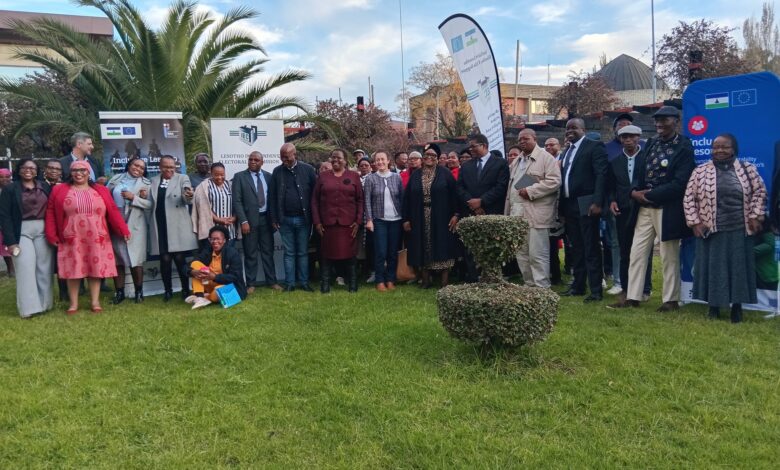
The Lesotho Independent Electoral Commission (IEC) has launched its Civic and Voter Education Strategy alongside a new voter registration programme in Maseru, marking a major step toward improving electoral participation in the country. The initiative focuses on strengthening civic awareness, improving voter education, and ensuring that citizens are well informed ahead of upcoming elections. The programme aims to build trust in the electoral system while expanding access to voter registration services across communities. Stakeholders from government, civil society, development partners, and the media attended the launch, reflecting broad support for the reform agenda. The initiative places strong emphasis on inclusion, transparency, and improved coordination between institutions responsible for elections and civil registration.
Reverend Dr. John Maphephe described the launch as an important milestone in the strengthening of Lesotho’s democracy. He explained that the Civic and Voter Education Strategy is not intended to remain a technical document but a practical tool that reaches citizens directly. He stressed that voter education must empower people with clear information so they can actively participate in democratic processes. According to him, civic awareness remains central to building a society where citizens understand their rights and responsibilities. His remarks reinforced the importance of translating policy into action that benefits ordinary voters across urban and rural communities.
Principal Secretary of Home Affairs, Mabataung Khelane, highlighted the deeper significance of the initiative, stating that it represents a firm commitment to improving the credibility and inclusiveness of Lesotho’s electoral system. She explained that the Ministry of Home Affairs is responsible for maintaining the National Population Register and issuing legal identity documents that support voter registration. She noted that the country is moving toward using the national identity document as the sole requirement for voter registration, which she said would strengthen security and trust in the system. Khelane emphasised that an accurate and updated population register is essential for the IEC to produce a reliable voters’ roll. She added that this collaboration ensures every eligible citizen can be properly identified and included in the democratic process.
Acting IEC Director, Mrs. Lydia Macheli, outlined the operational direction of the new programme, stating that the Commission will introduce both passive and continuous voter registration systems. She confirmed that this will be done in collaboration with the National Identity and Civil Registry, ensuring better coordination between institutions. Macheli also revealed that legal and institutional reforms are underway, including proposed amendments to the National Assembly Electoral Act of 2011 to address challenges linked to voter registration. She stressed that capacity building and modern technology are essential for delivering a clean and accurate voters’ register. She further explained that the expected outcome is a more inclusive register that also accommodates persons with disabilities, while improving overall efficiency within the IEC.
Development partners also expressed strong support for the initiative, with Head of Cooperation at the European Union, Ms. Anna Renieri, stating that the strategy forms a foundation for strengthening democracy in Lesotho. She said the programme is designed to promote inclusivity and ensure that all citizens can actively participate in democratic processes. She emphasised that civic and voter education begins long before election day and must reach every part of society. Her remarks highlighted the importance of accessibility, particularly for rural communities, women, youth, and persons with disabilities. She reinforced the idea that informed citizens are essential for a healthy and functional democracy.
Mario Giuseppe Varrenti also stressed the importance of civic education, noting that democracy is built through continuous engagement rather than only during elections. He explained that voter awareness must begin early, especially among young people, so they understand their rights and responsibilities. He also highlighted the need for accessible systems that allow women in rural areas and people with disabilities to register and participate without barriers. His comments underscored that inclusive participation is a core requirement for strengthening democratic systems. He further noted that voter education must be practical, consistent, and available in formats that reach all citizens.
Thabo Mosoeunyane described the launch as a strong demonstration of cooperation between the IEC, the Ministry of Home Affairs, and development partners. He emphasised that partnership remains central to improving electoral systems and addressing long-standing challenges. He pointed out that previous election observation missions identified issues in the voters’ roll, which this new strategy aims to resolve. He stressed that coordinated action between institutions will improve transparency and strengthen public confidence in the electoral process. His remarks reinforced the importance of sustained collaboration in building credible democratic systems.
The Civic and Voter Education Strategy also sets out targeted outreach programmes aimed at youth, first-time voters, rural populations, women, and persons with disabilities. The IEC stated that the objective is to ensure that no eligible citizen is excluded from the registration process. The programme focuses on improving awareness through education campaigns, community engagement, and expanded access to registration services. It also aims to modernise systems through technology while ensuring sustainable funding for long-term implementation. The strategy reflects a broader commitment to strengthening democratic participation and ensuring that every vote counts in shaping Lesotho’s future.
The launch of the Civic and Voter Education Strategy and voter registration programme represents a significant step toward strengthening democracy in Lesotho. The initiative brings together key institutions and development partners to improve coordination, transparency, and inclusivity in the electoral process. It also places strong emphasis on education, accessibility, and technological improvement to ensure a credible voters’ register. By focusing on youth, rural communities, women, and persons with disabilities, the programme aims to broaden participation and eliminate barriers to registration. The collaboration between the IEC, government, and international partners signals a shared commitment to building a stronger and more inclusive democratic system for all citizens.
Join 'Lesotho News' WhatsApp Channel
Get breaking Lesotho news — delivered directly to your WhatsApp.
CLICK HERE TO JOIN