Africa Day 2026 Celebrates Water Security and Sustainable Development Goals Across Africa

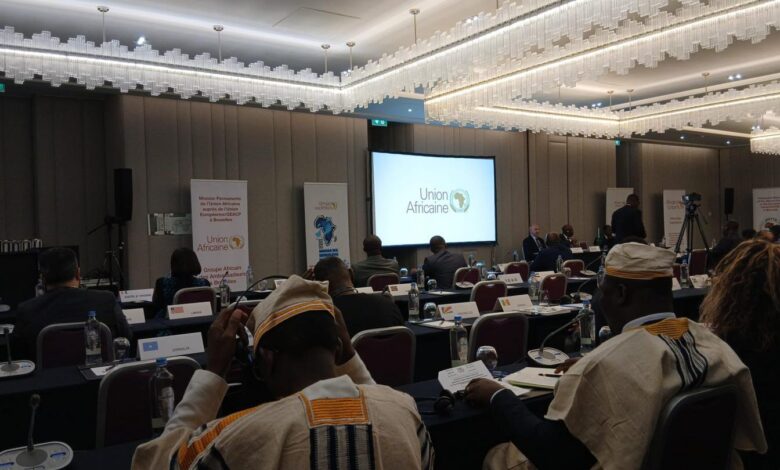
On 25 May 2026, the African Union hosted the celebration of Africa Day under the theme, “Ensuring Sustainable Availability of Water and Sanitation Systems to Achieve the Goals of Agenda 2063.” The event highlighted the importance of water security, sanitation infrastructure, regional cooperation, and sustainable development as key drivers of Africa’s long-term growth and prosperity. Leaders, diplomats, policymakers, development partners, and members of the African diaspora gathered to reflect on the continent’s progress while identifying practical solutions to some of Africa’s most pressing development challenges. The celebration created an important platform for dialogue on how African countries can strengthen infrastructure, improve living conditions, and accelerate economic transformation through strategic investment and collaboration. The event also reinforced the African Union’s commitment to Agenda 2063, which remains a blueprint for inclusive growth, social progress, and sustainable development across the continent.
The celebration unfolded in two parts and began with a formal seminar attended by African ambassadors, representatives from the Directorate-General for International Partnerships (DG-INTPA), the European External Action Service (EEAS), and members of the African diaspora. Participants shared perspectives on Africa’s future development priorities while discussing the need for stronger partnerships between African countries and international stakeholders. Conversations focused heavily on water access, sanitation systems, climate resilience, renewable energy, and economic development opportunities that can improve the quality of life for millions of Africans. The seminar also highlighted the growing importance of regional cooperation in addressing shared challenges such as water scarcity, public health concerns, and infrastructure development. Delegates stressed that sustainable solutions require long-term investment, policy coordination, and collective action among governments, development institutions, and private sector stakeholders.
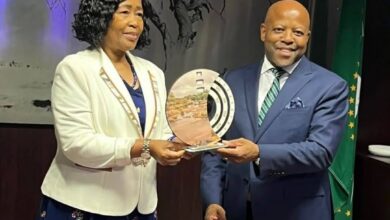
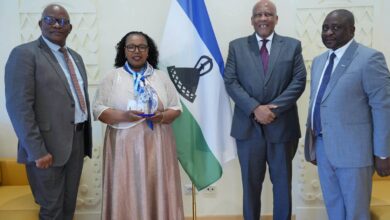
Among the key speakers at the event was H.E. Mantoetsi Mohatonyane, Ambassador of the Kingdom of Lesotho to BENELUX, who presented Lesotho’s achievements and vision for sustainable water and sanitation management. Her Excellency shared several success stories that demonstrated how strategic investment in water infrastructure can directly improve livelihoods and stimulate economic growth. She explained that Lesotho continues to position itself as a country with strong investment opportunities in sectors linked to sustainability and clean energy. These opportunities include hydropower development aimed at expanding clean energy production, the growth of trout fisheries targeting export markets, tourism built around Lesotho’s unique cultural heritage and mountainous landscapes, and the development of data centres powered by renewable energy resources. Her remarks showed how water management and clean energy development can support economic diversification while creating jobs and improving social outcomes for local communities.
Ambassador Mohatonyane also highlighted several major water projects that have significantly improved access to clean water and sanitation services in Lesotho. She pointed to the Metolong Dam Supply Programme as one of the country’s important infrastructure achievements, noting that it has expanded reliable water access and improved sanitation services for many communities. The project has played a critical role in supporting households, schools, healthcare facilities, and businesses that depend on stable water supply systems for daily operations. She further discussed the Lowlands Water Supply Programme, which has improved water access for a large portion of the population while reducing the burden placed on women and children in rural communities who often travel long distances to collect water. These projects were presented as examples of how infrastructure investment can improve public health, increase economic productivity, and support social development at community level.
Despite the progress achieved, Ambassador Mohatonyane acknowledged that major challenges remain in ensuring universal access to clean water and sanitation services across Lesotho. She revealed that approximately 25 percent of the population still lacks reliable access to water, while sanitation coverage currently stands at only 67 percent. These gaps continue to contribute to high child mortality rates linked to preventable diseases caused by poor sanitation and limited access to clean water. Her Excellency stressed the urgent need for increased financing, technical support, and capacity building to help close these gaps and strengthen existing systems. She also emphasised that sustainable development goals cannot be achieved without stronger partnerships between governments, development agencies, financial institutions, and regional organisations committed to long-term investment in critical infrastructure.
The discussions throughout the seminar reflected a broader continental concern about the growing pressure on water resources caused by climate change, rapid urbanisation, and population growth. Delegates recognised that many African countries continue to face difficulties in expanding water infrastructure fast enough to meet rising demand. There was also strong emphasis on the importance of innovation, technology, and sustainable resource management in addressing future water security challenges. Participants agreed that improving access to water and sanitation is closely linked to economic development, education outcomes, healthcare improvement, gender equality, and poverty reduction. The event therefore served not only as a celebration of Africa Day but also as a practical forum for shaping future development priorities that directly affect millions of people across the continent.
The evening portion of the Africa Day celebrations concluded with a gala dinner that celebrated Africa’s cultural diversity, unity, and shared aspirations for a prosperous future. African diplomats based in Brussels, members of the African diaspora, and friends of Africa gathered in a spirit of solidarity and cultural exchange. The gala created an atmosphere that reflected both the richness of African traditions and the importance of maintaining unity in pursuing common development goals. African music played throughout the evening and added a vibrant cultural atmosphere that showcased the continent’s artistic heritage and diverse cultural identities. Guests used the occasion to strengthen diplomatic relationships, exchange ideas, and celebrate the progress being made across different parts of Africa.
The 2026 Africa Day celebrations successfully reaffirmed the importance of cooperation, cultural pride, and collective responsibility in advancing the goals of Agenda 2063. The event demonstrated that sustainable water access and sanitation systems remain central to Africa’s future development and economic transformation. Speakers and delegates consistently highlighted the need for stronger partnerships, increased investment, and practical solutions that can improve the lives of ordinary citizens across the continent. Lesotho’s presentation provided a strong example of how targeted infrastructure projects and sustainable development strategies can create long-term social and economic benefits. As African countries continue working toward the aspirations of Agenda 2063, events such as Africa Day remain important platforms for encouraging dialogue, strengthening unity, and promoting a shared commitment to building a more prosperous and sustainable Africa for future generations.
Join 'Lesotho News' WhatsApp Channel
Get breaking Lesotho news — delivered directly to your WhatsApp.
CLICK HERE TO JOIN