Women Leaders in Lesotho’s 11th Parliament Defy Gender Norms Through Strong Leadership

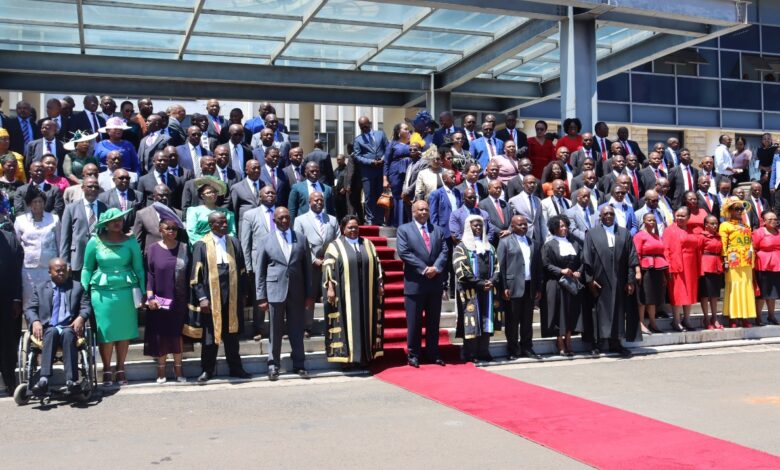
Although women occupy only around 25 percent of seats in Lesotho’s 11th Parliament, they continue to break barriers and challenge traditional gender roles by holding influential positions and leading with distinction. Their presence in key roles—once considered male-dominated—is reshaping perceptions of leadership in the country’s political landscape.
One of the standout figures is Mrs. Ts’epang Mosena, who has served as the Deputy Speaker of the National Assembly for over three years. In an interview, she shared that the challenges she faces are not a result of her being a woman, but rather stem from the demanding nature of the leadership role itself.
“I am respected by Members of Parliament just as I respect them,” said Mosena. “I believe how I conduct myself contributes greatly to that mutual respect.” She emphasized the importance of interpersonal skills, noting that effective leadership is built on strong relationships and mutual understanding. “Good leadership must be governed by strong interpersonal relations that will foster a collaborative and productive environment,” she added.
Mrs. Mosena’s calm yet assertive presence during parliamentary proceedings has earned her respect across party lines, showcasing how competence and professionalism transcend gender.
Similarly, Mrs. Machabana Lemphane Letsie, who chairs the powerful Public Accounts Committee (PAC), echoed the sentiment that challenges in leadership arise not from gender, but from the responsibilities tied to the roles themselves. Known for her sharp oversight and unwavering dedication to accountability, Letsie has become a respected figure in public finance scrutiny.
“I do not believe the challenges I face are because I am a woman chairperson,” she said. “They are simply part of the demanding nature of the position.” Her leadership within the PAC has been marked by firm investigative work and a commitment to transparency in governance.
Both women emphasized the need for more female participation in leadership and called on young women to pursue roles in politics and public service without hesitation. “Women are strong enough to lead,” said Mosena. “Confidence, professionalism, and integrity are the foundation of good leadership.”
As Lesotho continues to strive for greater gender parity in governance, the contributions of leaders like Mosena and Letsie serve as powerful examples of how women are not just participating in politics—they are shaping it.
Join 'Lesotho News' WhatsApp Channel
Get breaking Lesotho news — delivered directly to your WhatsApp.
CLICK HERE TO JOIN