Lesotho to Mark 60 Years of Independence with National Prayer on 9 September 2026

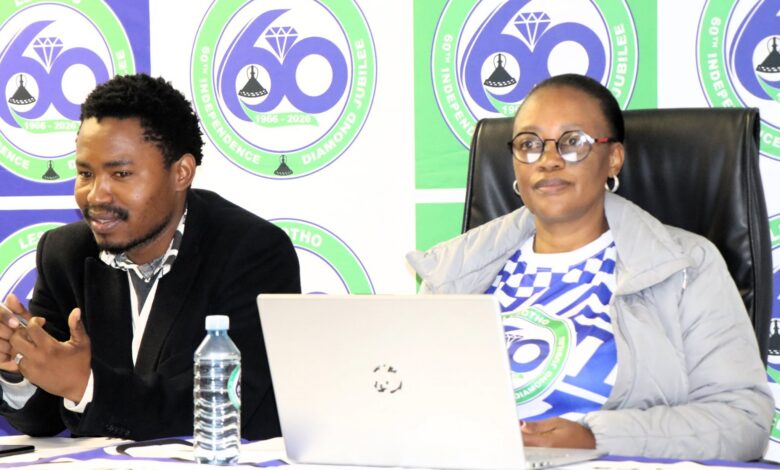
Lesotho is preparing to mark a significant milestone in its history as the nation celebrates 60 years of independence with a National Prayer on 9 September 2026. A press conference was held at the Ministry’s offices to inform the nation about the upcoming event and provide details about its significance. The National Prayer will officially kick-start the country’s 60 Years of Independence celebrations and bring Basotho together around a shared moment of reflection and thanksgiving. The event is expected to bring together people from communities across Lesotho as well as Basotho living in different countries around the world. The milestone will be commemorated under the theme “HONORING THE PAST. SHAPING THE FUTURE,” highlighting the importance of recognising the country’s journey while looking ahead with hope and purpose.
The National Prayer will begin with a peaceful walk from the New Parliament to the Old Parliament, creating a symbolic connection between important national spaces and the country’s historical journey. The walk is expected to provide an opportunity for citizens to come together peacefully as they participate in the opening of the independence anniversary celebrations. Beyond the physical journey between the two locations, the event is intended to encourage national reflection on Lesotho’s achievements, challenges and experiences over the past six decades. Participants will have an opportunity to express gratitude for the nation’s journey while seeking guidance and strength for the years ahead. The peaceful nature of the walk also reinforces the values of unity, togetherness and collective participation that are central to the National Prayer.
The 60th anniversary of Lesotho’s independence represents an important moment for Basotho to reflect on the country’s history and the developments that have shaped its identity. Independence has provided generations of Basotho with a shared national story that continues to evolve through changing social, economic and political circumstances. Marking six decades gives the nation an opportunity to remember those who contributed to Lesotho’s development and recognise the experiences that have shaped the country. It also provides an opportunity for younger generations to understand the significance of the journey that preceded them. Through the theme “HONORING THE PAST. SHAPING THE FUTURE,” the celebrations place equal importance on remembering where the country has come from and considering the kind of future Basotho want to build.
The National Prayer is expected to be a truly national occasion, with every district in Lesotho expected to participate in the commemorations. This broad participation is intended to ensure that the independence anniversary is not limited to one location or community but becomes an occasion shared across the country. Communities in different districts will have an opportunity to join in the spirit of reflection, gratitude and prayer as the nation begins its 60th anniversary celebrations. The involvement of districts also highlights the importance of communities in shaping Lesotho’s national identity and future. By bringing people together across different parts of the country, the National Prayer can strengthen a sense of shared purpose during this historic anniversary.
Basotho living outside the country will also be part of the occasion, with the diaspora in different countries across the world expected to participate. The involvement of the diaspora reflects the fact that Lesotho’s national identity extends beyond its geographical borders. Basotho living abroad continue to maintain connections with their communities, families, culture and country, making their participation an important part of the 60th anniversary commemorations. Their involvement can also create a sense of unity between Basotho at home and those living in other parts of the world. The National Prayer therefore has the potential to become a shared national moment that connects Basotho regardless of where they are located.
Prayer will form the central focus of the event, providing the nation with an opportunity to pause and reflect on its journey over the past 60 years. National moments of prayer can create space for communities to express gratitude for progress while also acknowledging the challenges that remain. The event is also intended to encourage unity by bringing people together around a common national occasion. Reflection can help Basotho consider the lessons of the past and how those lessons can inform decisions about the future. By combining prayer with national reflection, the event seeks to create a meaningful beginning to the broader 60 Years of Independence celebrations.
The theme “HONORING THE PAST. SHAPING THE FUTURE.” captures the two central elements of the anniversary celebrations. Honoring the past requires recognising the people, events, achievements and experiences that have contributed to Lesotho’s development since independence. Shaping the future requires citizens to consider how their actions and decisions today can influence the country for generations to come. The theme therefore encourages Basotho to look beyond the anniversary itself and think about the responsibilities that come with building a stronger nation. It places the country’s history and future within the same national conversation. For many participants, the National Prayer will provide an opportunity to reflect on both aspects while sharing a collective vision for the road ahead.
The press conference at the Ministry’s offices also highlights the importance of keeping the public informed ahead of a major national event. Clear communication can help citizens understand when and where activities will take place and how they can participate in the commemorations. Media coverage will be important in ensuring that information reaches communities throughout Lesotho as well as Basotho living abroad. The involvement of the media can also help build awareness around the broader significance of the 60th anniversary and encourage meaningful participation. As the country prepares for the National Prayer, public information will remain important in ensuring that the event reflects the national character intended by its organisers.
The National Prayer on 9 September 2026 will mark the beginning of an important period of reflection and celebration for Lesotho as the country reaches 60 years of independence. The peaceful walk from the New Parliament to the Old Parliament, participation from districts across the country and involvement from the Basotho diaspora will give the occasion a broad national and international reach. At its heart, the event will provide an opportunity for Basotho to come together in prayer, gratitude, reflection and unity. The theme “HONORING THE PAST. SHAPING THE FUTURE.” offers a clear reminder that celebrating history should also inspire responsibility for the future. As Lesotho begins its 60 Years of Independence celebrations, the National Prayer is set to provide a meaningful moment for the nation to reflect on its journey and look forward to the opportunities and responsibilities that lie ahead.
Join 'Lesotho News' WhatsApp Channel
Get breaking Lesotho news — delivered directly to your WhatsApp.
CLICK HERE TO JOIN