Rising Early and Unintended Pregnancies in Qacha’s Nek Highlight Urgent Social Challenges

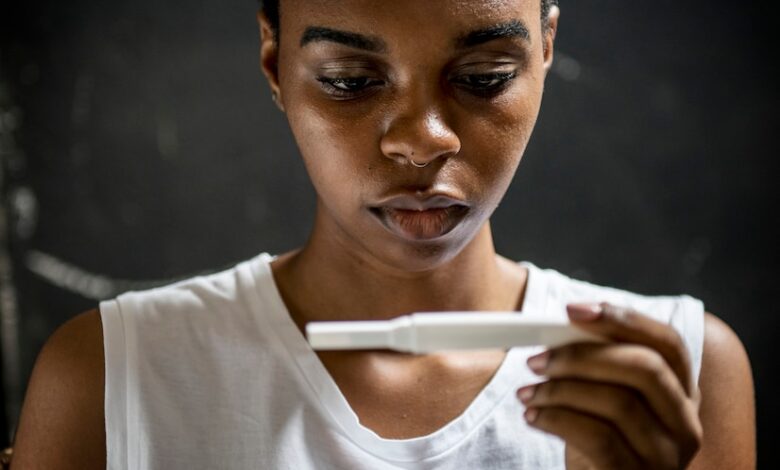
Qacha’s Nek is grappling with a troubling surge in early and unintended pregnancies (EUP) among adolescent girls, reflecting deep-rooted social and economic issues that continue to impact the community’s youth.
Data from the District Health Management Team (DHMT) reveals that between January and June 2025, 162 out of 486 pregnant women in the district were aged between 13 and 19. This figure is 31 higher than the same period in the previous year, underscoring a sharp increase in adolescent pregnancies.
Most of these young girls, many of whom should still be attending school, are now part of a larger reproductive health crisis. During this six-month period, 128 adolescents gave birth, with 32 suffering delivery complications such as retained placenta, severe perineal tears, postpartum hemorrhage, and obstructed labor. Among these cases, 11 involved HIV-positive teenagers, raising further health concerns.
Worryingly, despite ongoing efforts to expand sexual health education in schools and communities, contraceptive use among adolescents has declined. Only 336 adolescents accessed contraception between January and June 2025, down from 437 during the same period last year—a drop of over 100.
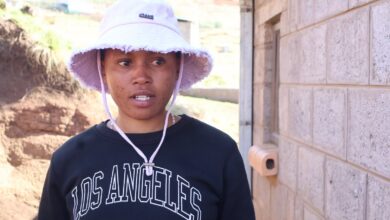
The human stories behind these statistics are both heartbreaking and illuminating. Thirteen-year-old Ts’episo* is currently awaiting delivery at the waiting mothers’ home at Machabeng Government Hospital. She shared her experience in an interview, revealing the fear and stigma surrounding adolescent pregnancy.
“I’m scared, not only of giving birth, but of how the adults here talk about my age,” Ts’episo said. She dropped out of school in Grade 7 after becoming pregnant. Orphaned and living with her siblings, Ts’episo’s 17-year-old boyfriend, who is a herdboy, left her upon learning about the pregnancy.
“We dated for five months. I wanted him to marry me now that I’m pregnant, but he wants nothing to do with me. We rely solely on my sister’s small clothing business,” she explained. She had never heard of contraception until arriving at the health facility, where she now hopes to have an intrauterine device (IUD) inserted after delivery.
Ts’episo recounted her first pregnancy symptoms—vomiting, loss of appetite, and excessive sleepiness—and how it was only after her brother urged her to visit the clinic that she realized she was pregnant.
“I was scared and hurt. I didn’t know what to do with a child. It wasn’t easy telling my family. The most painful part was when my boyfriend denied the baby even though he was the only person I had ever slept with,” she shared.
The rise in early pregnancies in Qacha’s Nek calls for urgent, coordinated action involving schools, health services, families, and community leaders. Strengthening access to sexual health education and contraceptive services, alongside tackling stigma and providing social support, will be critical to reversing this worrying trend and protecting the futures of Lesotho’s young girls.
*Name changed to protect identity.
Join 'Lesotho News' WhatsApp Channel
Get breaking Lesotho news — delivered directly to your WhatsApp.
CLICK HERE TO JOIN