Lesotho Links AI, Hydropower and Smart Infrastructure at Digital Innovators Summit 2026
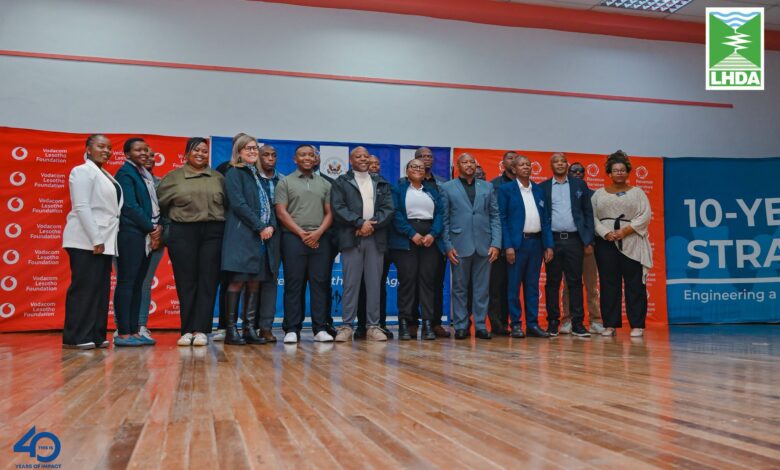
Lesotho is increasingly looking at how technology can support the country’s energy, water and infrastructure ambitions, with artificial intelligence emerging as an important part of that conversation. The Digital Innovators Summit 2026, hosted at the National University of Lesotho under the theme “AI for Sustainable Energy: Powering Lesotho’s Digital & Green Future,” brought together stakeholders from across the country’s development landscape. Government representatives, academics, industry players, development partners, innovators and students took part in discussions about the role technology can play in shaping the country’s future. The Lesotho Highlands Development Authority (LHDA) supported and participated in the summit, reflecting the growing connection between digital innovation and major infrastructure projects. The discussions highlighted how technologies such as AI, data systems and intelligent infrastructure can increasingly influence the way Lesotho develops and manages its resources.
The summit provided a platform for participants to examine how innovation can strengthen the planning, construction, operation and maintenance of infrastructure. These discussions are particularly relevant to Lesotho, where water and hydropower remain closely connected to national development and major infrastructure investments. Technology can provide infrastructure managers with better information about how systems perform and where potential problems may emerge. It can also support more efficient decision-making by bringing together data from different parts of an infrastructure network. As digital technologies develop, their application to energy and infrastructure could create new opportunities for improving reliability, efficiency and long-term sustainability.
For LHDA, the relationship between technology and infrastructure management is becoming increasingly important. Managing strategic water infrastructure involves far more than the physical construction of tunnels, reservoirs and turbines. Modern infrastructure management increasingly depends on data collection, forecasting, monitoring and predictive maintenance to ensure that assets continue operating effectively. Digital tools can help infrastructure managers identify changes in performance and respond to potential maintenance requirements before they develop into larger problems. These capabilities are particularly important for large infrastructure systems that require significant investment and must operate safely and reliably over many years.
Artificial intelligence could also play a growing role in the way water and energy infrastructure is managed. AI systems can process large amounts of information and identify patterns that may not be immediately visible through conventional analysis. In infrastructure settings, this could support activities such as forecasting, equipment monitoring, maintenance planning and resource management. The technology can also contribute to more informed planning by helping decision-makers assess different scenarios and potential risks. However, the value of these systems will depend on the availability of reliable data, appropriate technical skills and effective systems for applying technological insights to real-world infrastructure decisions.
The connection between water, hydropower and renewable energy was another important part of the broader discussion. Lesotho has significant water resources and an established hydropower sector, while renewable energy technologies are creating additional possibilities for the country’s future energy mix. Intelligent systems could help integrate different sources of energy and improve the way electricity generation and infrastructure are monitored and managed. Greater use of data could also help identify opportunities to improve efficiency and strengthen resilience as energy needs change. Bringing these areas together allows technology to be considered as part of a wider development strategy rather than as a separate digital initiative.
Climate resilience also forms an important part of this conversation. Water and energy infrastructure must be designed and managed with changing environmental conditions in mind, particularly when projects are expected to serve communities and economies for decades. Data, forecasting and monitoring technologies can support efforts to understand changing conditions and identify potential risks to infrastructure and water resources. Digital systems can also improve the ability of infrastructure managers to monitor assets and respond to emerging challenges. Combining technological capabilities with engineering knowledge and sound planning can therefore strengthen the long-term resilience of major infrastructure investments.
The summit also placed considerable importance on the people who will develop and apply these technologies in Lesotho. The country needs engineers, researchers, data scientists, entrepreneurs and other specialists who can turn technological possibilities into practical solutions. Universities such as the National University of Lesotho have an important role to play in developing skills that can respond to the country’s changing infrastructure and energy needs. Bringing students into discussions with government, industry, academia and development partners can expose them to real-world challenges and potential opportunities. This type of collaboration can also help connect academic research with projects that have direct relevance to national development.
The presence of policymakers, development partners, academics, industry representatives and students around the same table was significant because technological innovation requires more than new ideas. Successful projects also depend on investment, appropriate regulation, technical capacity and effective implementation. Innovators need opportunities to understand the challenges facing institutions and industries, while policymakers need access to expertise that can help shape practical frameworks for new technologies. Development partners and investors can also play a role in supporting projects that require substantial resources or specialised knowledge. The summit therefore created space for discussions that connected innovation with the wider requirements of national development.
The planned 2027 edition of the Digital Innovators Summit will take this conversation to Polihali, where innovation will meet one of Lesotho’s major infrastructure developments. The Polihali area is central to the country’s ongoing water and infrastructure development, making it a relevant setting for discussions about the future of technology and major infrastructure. Holding the summit there could provide participants with an opportunity to consider how digital innovation can be applied within a large-scale infrastructure environment. It can also create space for students, researchers, innovators and industry stakeholders to engage more directly with the challenges and opportunities associated with major development projects. The move to Polihali signals an effort to connect discussions about innovation with the physical infrastructure that will shape Lesotho’s future.
The Digital Innovators Summit 2026 has highlighted an increasingly connected relationship between artificial intelligence, renewable energy, water, hydropower and intelligent infrastructure in Lesotho. LHDA’s participation reflects the relevance of these technologies to the future management of strategic infrastructure and natural resources. The challenge now is to turn discussions into practical applications that improve infrastructure performance, develop local skills and support sustainable national development. Continued cooperation between government, universities, industry, development partners and innovators will be important as Lesotho explores these opportunities. With the Digital Innovators Summit expected to move to Polihali in January 2027, the conversation about how technology can support Lesotho’s digital and green future is set to continue.
Join 'Lesotho News' WhatsApp Channel
Get breaking Lesotho news — delivered directly to your WhatsApp.
CLICK HERE TO JOIN