King Letsie III Receives High Level IFRC Briefing on Food Security and Humanitarian Challenges in Kenya


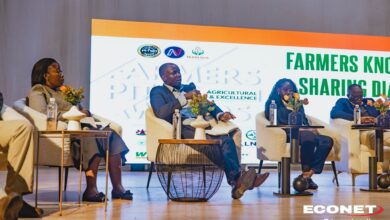
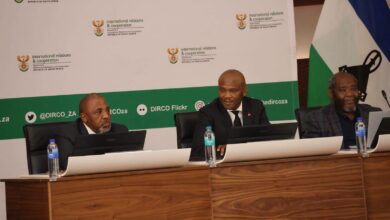
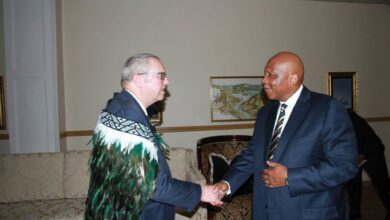
His Majesty King Letsie III participated in a high level briefing session in Kenya that focused on some of the most urgent humanitarian and food security challenges facing Africa today. The briefing was led by the Secretary General of the International Federation of Red Cross and Red Crescent Societies (IFRC), Mr. Jagan Chapagain, together with the Secretary General of the Kenya Red Cross Society, Dr. Ahmed Idris. The meeting formed an important part of the King’s official visit to Kenya and highlighted the growing need for stronger partnerships to address food insecurity, climate related disasters and humanitarian emergencies across the continent. Bringing together international humanitarian leaders and senior government representatives, the session provided an opportunity to exchange knowledge, review current challenges and identify practical solutions. The discussions reinforced the importance of collaboration in building more resilient communities and improving the lives of millions of vulnerable Africans.
The briefing reflected the shared commitment of humanitarian organizations and African governments to finding sustainable responses to food insecurity and other humanitarian crises. Africa continues to experience increasing pressure from prolonged droughts, unpredictable weather patterns, economic instability and conflicts that disrupt food production and livelihoods. These challenges have affected millions of families, particularly those living in rural communities that depend heavily on agriculture for survival. Humanitarian agencies have repeatedly stressed that immediate relief efforts must be supported by long term development strategies that strengthen resilience and improve food systems. The meeting recognized that coordinated action is essential if the continent is to reduce hunger and prepare for future emergencies.
During the briefing, IFRC Secretary General Mr. Jagan Chapagain shared insights into the organization’s ongoing humanitarian operations and its efforts to support vulnerable communities around the world. The International Federation of Red Cross and Red Crescent Societies works with national Red Cross and Red Crescent societies to deliver emergency assistance, disaster response, health services and community resilience programs. Its global network enables rapid responses to humanitarian crises while also investing in long term preparedness and recovery initiatives. Discussions emphasized the importance of strengthening partnerships between governments, humanitarian organizations and local communities to ensure that assistance reaches those who need it most. Such cooperation remains critical as humanitarian needs continue to grow across many parts of Africa.
Kenya Red Cross Secretary General Dr. Ahmed Idris also contributed to the discussions by highlighting the humanitarian situation within Kenya and the broader East African region. Kenya has experienced recurring droughts that have significantly affected agricultural production, livestock farming and water availability in many areas. Communities living in drought affected regions continue to face food shortages and increased vulnerability as climate conditions become more severe. The Kenya Red Cross has played an important role in delivering emergency relief while supporting recovery efforts through community based programs. These experiences provided valuable lessons for regional cooperation and informed discussions on improving humanitarian preparedness across Africa.
His Majesty King Letsie III’s participation in the briefing reflects his longstanding commitment to promoting food security, nutrition and sustainable agricultural development. Throughout his leadership, the King has consistently advocated for stronger action to address hunger and improve the resilience of vulnerable communities. His involvement in discussions with humanitarian leaders demonstrates Lesotho’s determination to contribute meaningfully to continental efforts aimed at improving food systems and strengthening disaster preparedness. The visit also reinforces the Kingdom’s commitment to working alongside international organizations in developing practical and lasting solutions. Such engagement helps ensure that the voices and experiences of African countries remain central to global humanitarian discussions.
Accompanying His Majesty was Lesotho’s Minister of Agriculture, Food Security and Nutrition, Hon. Selibe Mochoboroane, who joined the discussions alongside other members of the Kingdom’s official delegation. The Minister’s participation highlighted the central role that agriculture plays in ensuring food security and supporting economic development. Agriculture remains one of the most important sectors for many African countries, providing livelihoods for millions of people while contributing significantly to national economies. The discussions explored ways to strengthen agricultural resilience through innovation, climate adaptation and improved farming practices. These priorities are essential for reducing hunger and improving long term food security across the continent.
The presence of the IFRC global leadership further strengthened the significance of the briefing session. Their participation reflected the organization’s commitment to supporting African countries as they respond to increasingly complex humanitarian challenges. The exchange of ideas between international experts and government leaders created an opportunity to examine successful interventions while identifying areas where greater cooperation is needed. Strengthening partnerships at both regional and global levels remains essential for improving emergency response capacity and ensuring that vulnerable populations receive timely assistance. Such collaboration also supports the development of more resilient communities capable of withstanding future crises.
Climate change emerged as one of the underlying issues influencing many of the humanitarian challenges discussed during the meeting. Rising temperatures, prolonged droughts and changing rainfall patterns continue to threaten agricultural production across large parts of Africa. These environmental changes increase the risk of food shortages, displacement and economic hardship for communities that depend on farming and livestock. Participants recognized that climate adaptation measures, sustainable farming practices and investment in resilient infrastructure are increasingly important for protecting livelihoods. Addressing these challenges requires coordinated efforts involving governments, humanitarian organizations, development partners and local communities.
The briefing also highlighted the importance of investing in preparedness rather than focusing solely on emergency response. Early warning systems, community education, disaster risk reduction and resilient agricultural practices can significantly reduce the impact of future humanitarian crises. Participants emphasized that proactive planning is often more effective and less costly than responding after disasters have already occurred. Building stronger local institutions and empowering communities to prepare for emergencies are key elements of sustainable humanitarian action. These approaches align closely with broader efforts to strengthen resilience across Africa.
The high level briefing between His Majesty King Letsie III, IFRC leadership and senior representatives from Kenya and Lesotho demonstrated the value of international cooperation in addressing shared humanitarian challenges. The discussions reinforced the importance of combining humanitarian assistance with long term investments in food security, agriculture and climate resilience. By bringing together experienced humanitarian leaders, government officials and development partners, the meeting created an opportunity to strengthen collaboration and promote practical solutions that benefit vulnerable communities. Lesotho’s active participation reflects its continued commitment to supporting regional and global efforts aimed at reducing hunger and improving resilience. As humanitarian challenges continue to evolve across Africa, partnerships such as these will remain essential in building a more secure, sustainable and food resilient future for the continent.
Join 'Lesotho News' WhatsApp Channel
Get breaking Lesotho news — delivered directly to your WhatsApp.
CLICK HERE TO JOIN