Prime Minister Samuel Matekane Leads Lesotho Engagement With Dubai Chambers to Strengthen Trade and Investment Ties

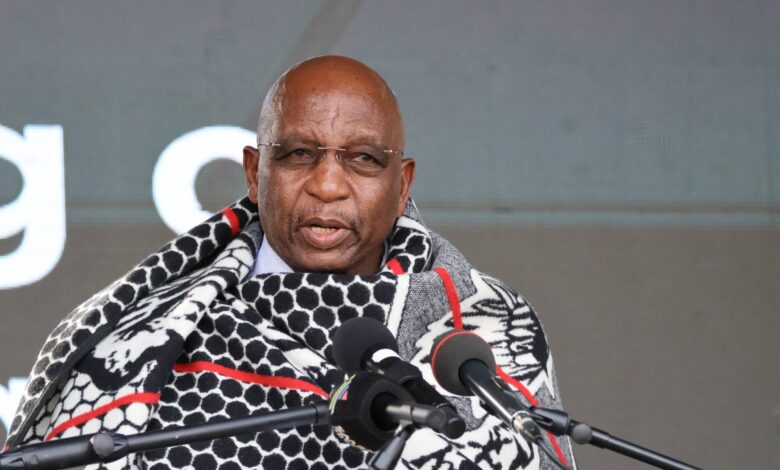
The Right Honourable Prime Minister of the Kingdom of Lesotho, Samuel Matekane, has led a high-level national engagement with Dubai Chambers in Johannesburg, South Africa, in a strategic effort to deepen trade, investment, and business-to-business relations between Lesotho and the United Arab Emirates. The engagement reflects Lesotho’s growing focus on attracting international investors and expanding its global economic partnerships. It also signals a stronger push toward private sector-led growth and economic transformation. The discussions brought together key stakeholders from both sides to explore practical pathways for cooperation. The meeting forms part of broader efforts to position Lesotho as a competitive investment destination in Southern Africa.
The discussions focused on unlocking strategic investment opportunities across several priority sectors, including infrastructure, mining, energy, and tourism. These sectors are viewed as key drivers of long-term economic growth and job creation in Lesotho. Infrastructure development was highlighted as a foundation for improving connectivity, trade efficiency, and industrial expansion. The mining sector was also identified as a critical area for value addition and export growth, particularly in supporting foreign direct investment inflows. Energy development featured strongly in the discussions, with emphasis on expanding sustainable and reliable power solutions to support industrial activity.
Tourism was also a central focus of the engagement, with both parties recognizing its potential to diversify Lesotho’s economy. The country’s natural landscape, cultural heritage, and mountain tourism assets were presented as key investment opportunities. Discussions highlighted the need for improved hospitality infrastructure, transport access, and international marketing to unlock the sector’s full potential. The engagement with Dubai Chambers also emphasized the importance of creating strong business-to-business linkages that can support long-term collaboration between investors and local enterprises. These connections are expected to enhance knowledge transfer and expand market access for Lesotho-based businesses.
A major outcome of the discussions was the proposal to develop a Special Economic Zone modelled on the Jebel Ali Free Zone Authority, commonly known as JAFZA, in the United Arab Emirates. This model is widely recognized for its success in attracting global companies through tax incentives, streamlined regulations, and world-class infrastructure. Lesotho’s proposed SEZ aims to replicate similar benefits to attract international investors and boost industrial development. The zone would serve as a hub for manufacturing, logistics, and export-oriented businesses. It is expected to play a central role in accelerating economic transformation and creating employment opportunities.
The engagement also highlighted the importance of improving the investment climate through policy reforms and infrastructure readiness. Investors from the UAE expressed interest in stable regulatory environments, efficient business processes, and clear investment frameworks. Lesotho’s leadership emphasized ongoing efforts to improve ease of doing business and strengthen institutional support for investors. The discussions reinforced the need for public-private partnerships to drive large-scale development projects. These partnerships are expected to mobilize capital, technical expertise, and global market access.
Prime Minister Matekane’s leadership in the engagement reflects a broader national strategy to reposition Lesotho within global investment networks. His administration continues to prioritize economic diplomacy as a tool for attracting foreign direct investment and expanding trade opportunities. The engagement with Dubai Chambers is seen as a step toward building stronger economic ties with the Gulf region, which has become an important source of investment for emerging markets. The focus on infrastructure, energy, and industrial development aligns with national priorities aimed at sustainable economic growth. This approach also supports efforts to reduce unemployment and strengthen economic resilience.
The proposed Special Economic Zone is expected to be a key driver of Lesotho’s industrial policy in the coming years. By creating a dedicated investment environment, the country aims to attract export-oriented industries and stimulate local value chains. The model is designed to encourage long-term investment while promoting skills development and technology transfer. If successfully implemented, it could significantly enhance Lesotho’s competitiveness in regional and global markets. The SEZ concept also aligns with broader African trade integration goals under frameworks such as the African Continental Free Trade Area.
The engagement between Lesotho and Dubai Chambers marks an important milestone in strengthening international economic partnerships. It reflects a growing recognition of the need for diversified investment sources and expanded global cooperation. By focusing on high-impact sectors and structured investment zones, Lesotho is positioning itself for more inclusive and sustained economic growth. The discussions are expected to lead to further technical consultations and investment planning in the near future. The Kingdom continues to pursue strategic partnerships that support long-term development objectives and economic transformation.
Join 'Lesotho News' WhatsApp Channel
Get breaking Lesotho news — delivered directly to your WhatsApp.
CLICK HERE TO JOIN