Youth Home Lesotho Leads Youth Dialogue to Address Unemployment, Health and Rights Challenges in Mafeteng

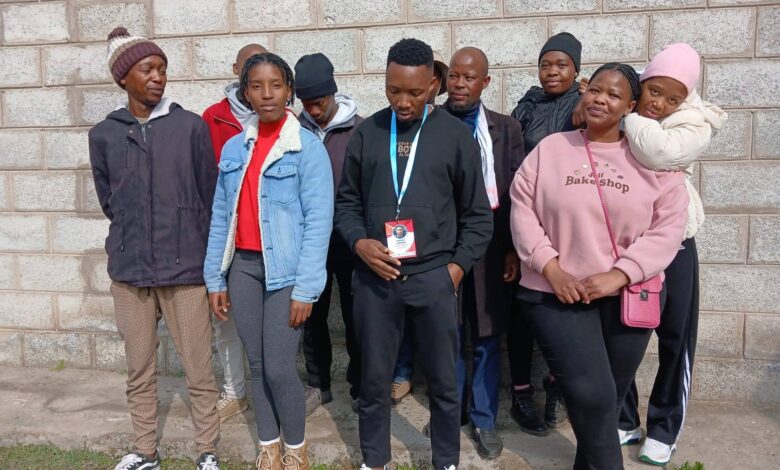
Youth development and empowerment continue to be critical priorities in Lesotho as young people face growing social and economic pressures. In response to these challenges, Youth Home Lesotho recently hosted a high level dialogue aimed at addressing the difficulties affecting young people across the country. The engagement brought together key stakeholders to discuss practical solutions to unemployment, poverty, health risks and rights awareness. The meeting took place in Mafeteng and focused on strengthening cooperation between youth groups, government institutions and development partners. It highlighted the urgent need for coordinated action to improve the lives of young people in Lesotho through structured and sustainable programmes.
The dialogue was organised by Youth Home Lesotho in partnership with several influential organisations working in health and social development. These included the National AIDS Commission, the Lesotho Planned Parenthood Association and UNICEF, all of which contributed expertise and resources to the discussion. The event was attended by youth representatives, community leaders and development stakeholders who shared insights on the most pressing issues facing young people today. According to Youth Home Lesotho secretary for Public Affairs in the Maseru district committee, Lepota Mafeka, the meeting was designed to develop joint strategies that respond directly to youth needs. The collaboration aimed to build stronger systems that support empowerment, education and economic participation for young people.
One of the key concerns raised during the dialogue was the high level of youth unemployment in the country. Many participants noted that young people struggle to find jobs after completing their education, leading to frustration and financial instability. Poverty was also identified as a major barrier, especially for young people who lack access to startup capital or entrepreneurial support. The discussion further highlighted challenges related to HIV and AIDS, teenage pregnancy and limited access to reproductive health information. These issues continue to affect the wellbeing and future opportunities of young people in both urban and rural communities across Mafeteng District.
Another important issue discussed was the lack of awareness about youth rights and limited platforms for young people to express their views. Many participants stressed that young people often feel excluded from decision making processes that directly affect their lives. Stakeholders agreed that improving youth participation in policy development is essential for creating more inclusive governance systems. The dialogue also emphasised the need for safe spaces where young people can engage freely, share ideas and access support services without fear of discrimination. These spaces were identified as critical for building confidence and leadership skills among youth.
The partner organisations outlined a range of ongoing and planned interventions aimed at addressing these challenges. These include vocational training programmes designed to equip young people with practical skills for employment and self reliance. Sexual and reproductive health education was also highlighted as a key focus area, particularly for young women and girls who face increased health risks. Youth friendly health services were discussed as a way to improve access to healthcare without stigma or barriers. In addition, stakeholders proposed youth business incubation projects to encourage entrepreneurship and reduce dependency on limited job markets.
Awareness campaigns on youth rights were also identified as a priority, with the goal of ensuring that young people understand their legal and social protections. Stakeholders further committed to increasing the number of district level youth dialogues to ensure wider participation and inclusion. These initiatives are expected to strengthen collaboration between government bodies, NGOs and youth led organisations. Lepota Mafeka emphasized that Youth Home Lesotho remains committed to empowering disadvantaged youth and equipping them with the skills needed to overcome poverty and build independent lives. The organisation also continues to advocate for stronger partnerships that place young people at the centre of development planning.
The Youth Home Lesotho initiative reflects a growing recognition that sustainable development in Lesotho depends on investing in young people. By bringing together key stakeholders, the dialogue created a platform for shared solutions and long term planning. It also highlighted the importance of coordinated action in addressing unemployment, health risks and social inequality among youth. Continued collaboration between organisations such as Youth Home Lesotho, the National AIDS Commission, LPPA and UNICEF will be essential in driving meaningful change. With consistent support and implementation of targeted programmes, young people in Lesotho can be better equipped to overcome challenges and contribute to national development.
Join 'Lesotho News' WhatsApp Channel
Get breaking Lesotho news — delivered directly to your WhatsApp.
CLICK HERE TO JOIN