Lesotho Energy Access Dialogue 2026 to Drive Renewable Energy Investment and National Energy Transition

Energy sector stakeholders in Lesotho will gather next week for the second Lesotho Energy Access Dialogue (LEAD 2026), a high-level conference aimed at improving energy access and strengthening the country’s renewable energy market. The event comes at a time when demand for reliable and affordable energy continues to grow across households, businesses and public services in Lesotho. It will take place on Tuesday and Wednesday at the Manthabiseng Convention Centre under the theme “Moving from Commitments to Action,” which reflects a shift toward implementation rather than planning. The dialogue will bring together policymakers, development partners, private sector leaders, financiers, researchers and energy practitioners. The goal is to accelerate renewable energy deployment and support Lesotho’s long-term energy transition strategy.
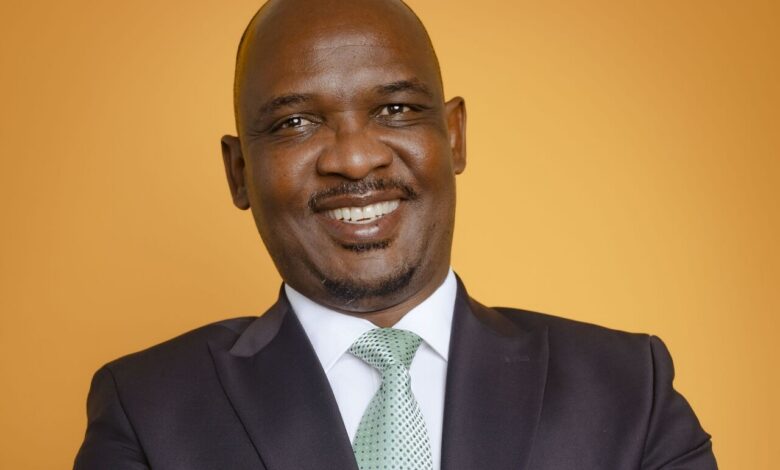
During a press briefing held at Lancers Inn, Nkau Matete said the conference arrives at a critical moment for Lesotho’s development. He explained that energy access remains central to economic growth, business expansion and improved living standards. He stressed that energy is not limited to electricity supply but extends to key sectors such as healthcare, education and small business development. Reliable energy, he noted, helps create stable conditions for investment and productivity across the economy. His remarks highlighted the urgency of building a stronger and more inclusive energy system that supports national development goals.
Mr Matete further stated that financial institutions have a major role to play in supporting infrastructure development and sustainability initiatives. He said Nedbank Lesotho views energy access as a key driver of inclusive growth and long-term economic transformation. According to him, the conference provides an important platform for dialogue, innovation and collaboration between different sectors. He also noted that Lesotho has strong renewable energy potential, especially in areas such as hydropower and solar energy. Unlocking this potential, he said, requires strategic partnerships that combine public sector leadership with private sector investment and expertise.
He emphasized that achieving universal energy access will require collective effort from government, businesses and development partners. He also pointed out that investment in energy infrastructure can unlock new opportunities for job creation and economic diversification. His message focused on the importance of turning discussions into practical projects that can deliver real impact. He added that Nedbank Lesotho supports initiatives that help convert energy ideas into sustainable and bankable projects. This approach is intended to ensure that energy solutions move beyond policy discussions into real-world implementation.
At the same event, Manyathela Kheleli confirmed that Standard Lesotho Bank will co-sponsor the conference alongside Nedbank Lesotho, contributing a combined M400 000. He said the bank’s involvement reflects its belief that energy access is essential for economic inclusion and national competitiveness. He explained that LEAD 2026 brings together key players under a shared goal of transforming energy commitments into action. His comments highlighted the need for financial institutions to play an active role in enabling infrastructure development. He stressed that collaboration between banks, government and the private sector is necessary to accelerate progress in the energy sector.
Mr Kheleli also noted that Lesotho has significant untapped renewable energy resources, particularly in solar, hydro and decentralised energy systems. He said supporting the dialogue is about more than sponsorship, as it involves enabling partnerships that can produce practical and scalable energy solutions. He added that discussions at the conference must lead to bankable projects that attract investment and deliver measurable results. He emphasized that energy access is now a key factor in determining whether economies can grow in an inclusive and sustainable way. He described the energy transition as both an environmental priority and an economic necessity.
Representing the international development community, Mette Sunnergren said the conference is taking place during a period of global energy and climate challenges. She highlighted rising energy costs, climate change impacts and growing demand for reliable energy as key issues affecting many countries. She noted that progress has already been made in Lesotho through policy reforms, capacity building and youth involvement in the energy sector. She reaffirmed the European Union’s commitment to supporting renewable energy investment and sustainable infrastructure development in the country. She also referenced the EU’s Global Gateway Initiative, which focuses on mobilising large-scale investment in infrastructure, digitalisation and energy transitions.
Ms Sunnergren added that the EU is supporting a just energy transition in Southern Africa that balances climate action with economic growth and job creation. Her remarks emphasized the importance of ensuring that energy development benefits communities while also addressing environmental challenges. She said international cooperation remains essential in building resilient energy systems that can support long-term development. Her contribution reinforced the idea that energy access is a shared global responsibility. She also highlighted the importance of aligning local initiatives with broader regional and international energy goals.
From the private sector perspective, Kefuoe Ramokhele said LNIG Hollard is sponsoring LEAD 2026 with M100 000 as part of its commitment to a sustainable future. He explained that the company’s support aligns with its focus on environmental, social and governance principles. He said the company aims to deliver solutions that benefit clients, partners and society while promoting long-term resilience. He also highlighted the importance of reducing risk in renewable energy investments to encourage greater participation from developers and financiers. In 2024, LNIG Hollard introduced Lesotho’s first renewable energy insurance solution to support clean energy development.
Mr Ramokhele added that the insurance product helps de-risk projects and unlock financing for renewable energy initiatives. He described it as a catalyst for growth that enables projects to move from planning to implementation with greater confidence. He said partnering with LEAD 2026 allows stakeholders to work together in accelerating energy access across the country. He emphasized that energy development requires cooperation between policymakers, investors and innovators. His remarks reflected a broader industry commitment to transforming Lesotho’s energy landscape through practical solutions.
The upcoming Lesotho Energy Access Dialogue 2026 is expected to play a major role in shaping the country’s energy future by bringing together critical stakeholders under one platform. The focus on moving from commitments to action signals a stronger push toward implementing renewable energy projects that can improve access and affordability. With support from financial institutions, development partners and international actors, the dialogue is positioned to unlock investment and accelerate progress in the sector. The discussions are expected to strengthen collaboration and produce actionable strategies that support national development. As Lesotho continues to pursue energy security and sustainability, LEAD 2026 stands as an important milestone in the country’s energy transition journey.
Join 'Lesotho News' WhatsApp Channel
Get breaking Lesotho news — delivered directly to your WhatsApp.
CLICK HERE TO JOIN