Lesotho Introduces New Regulations to Protect Minors and Strengthen Telecommunications Compliance


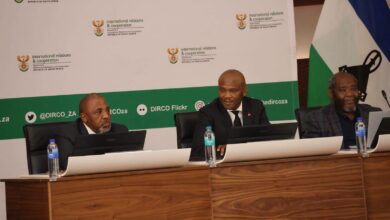
Lesotho is taking decisive action to strengthen consumer protection and improve accountability within its telecommunications sector. Effective from 1 April 2026, individuals under the age of 18 will no longer be allowed to access airtime advance services from mobile network operators. The Lesotho Communications Authority announced this major regulatory change during a press conference held in Maseru. This move reflects growing concern about the financial habits of minors and the potential risks linked to easy access to credit-like services. Airtime advance services, while convenient, often function as short-term borrowing tools that can lead to recurring debt if not managed properly. The new regulation aims to address this issue directly by limiting access to those who are legally able to take financial responsibility. It also signals a broader effort by regulators to promote responsible usage of digital financial services.
The restriction will be enforced through enhanced SIM card registration systems that verify users’ ages using national identification documents. This system ensures that mobile network operators can accurately identify and restrict underage users from accessing airtime advances. The Authority made it clear that this is not just a policy change but a technical enforcement measure backed by improved data verification processes. By linking SIM registration to verified identity information, the system reduces the chances of misuse or circumvention. This approach aligns with global trends where regulators use digital identity systems to enforce financial and communication rules. It also strengthens the overall integrity of the telecommunications sector by ensuring that user data is accurate and up to date. For many users, this may require updating their registration details to remain compliant.
The Lesotho Communications Authority stated that the primary goal of this measure is to protect minors from financial strain and encourage responsible financial behavior from an early age. Young users often rely on airtime advances without fully understanding the repayment implications, which can create a cycle of dependency. By restricting access, the Authority aims to reduce unnecessary financial pressure on minors and their families. However, all existing airtime advance balances must still be paid, regardless of the user’s age. This means that parents and guardians will need to play an active role in helping minors clear any outstanding debts. The Authority strongly encouraged families to address these obligations promptly to avoid complications. This aspect of the regulation reinforces accountability while also promoting financial awareness within households.
In addition to the changes affecting airtime advance services, the Authority introduced new rules governing the use of two-way radios, commonly known as lirojaroja. All such devices must now be registered with and approved by the Authority before they can be used. This requirement is aimed at ensuring that radio communication systems operate within regulated frequency bands. Unregistered devices can interfere with licensed communication services, including those used for emergency and security purposes. By enforcing registration, the Authority seeks to maintain order and reliability within the country’s communication networks. Users are responsible for ensuring that their devices meet regulatory standards and do not cause disruption. This measure highlights the importance of managing all forms of communication technology, not just mobile services.
The Lesotho Communications Authority emphasized that compliance with these new regulations is mandatory for all affected individuals and users. Failure to follow the rules will result in penalties, which may include fines or service restrictions. This firm stance reflects the Authority’s commitment to enforcing regulations that protect consumers and maintain industry standards. The combination of financial safeguards for minors and stricter control over communication devices represents a comprehensive approach to regulation. These measures are designed not only to address current challenges but also to prepare the sector for future developments. As digital services continue to expand, strong regulatory frameworks will become even more important. Lesotho’s latest actions demonstrate a proactive effort to balance innovation with responsibility and consumer protection.
Join 'Lesotho News' WhatsApp Channel
Get breaking Lesotho news — delivered directly to your WhatsApp.
CLICK HERE TO JOIN