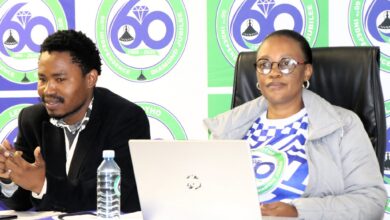
Lesotho Launches Phase II of IACOV Project to Strengthen Food Security and Climate Resilience

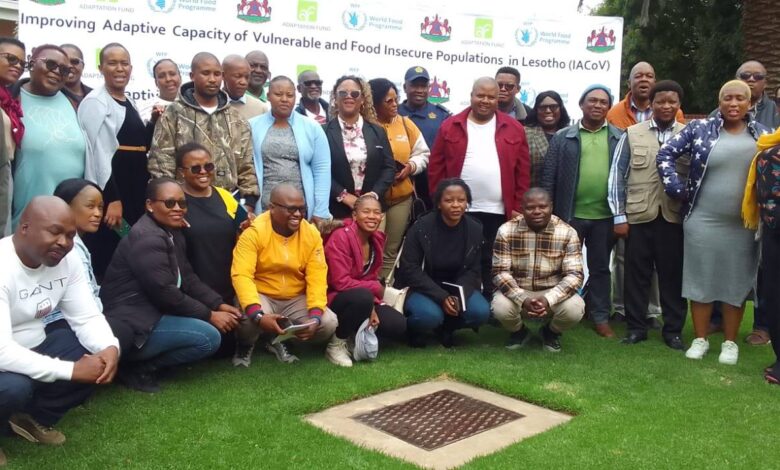
The Government of Lesotho is advancing its efforts to combat food insecurity with the rollout of Phase II of the Improving Adaptive Capacity of Vulnerable and Food Insecure Populations (IACOV) project in Mohale’s Hoek. The project aims to enhance climate resilience and improve livelihoods among vulnerable communities, building on lessons learned from Phase I implemented during the COVID-19 pandemic. Stakeholders have pledged stronger collaboration to ensure effective implementation and sustainable outcomes over the next five years. By addressing the root causes of food insecurity and vulnerability, IACOV seeks to provide targeted support to communities most at risk, while fostering adaptive strategies that strengthen resilience against climate-related shocks. The launch demonstrates a coordinated approach between government agencies, development partners, and local communities to tackle persistent challenges.
During a district inception workshop on Tuesday, the Deputy Country Director of the World Food Programme, Ms. Emily Doe, highlighted that Phase II builds directly on the successes of Phase I, which faced the challenges of the pandemic yet delivered significant community impact. She praised stakeholders for their commitment and noted the signing of a Memorandum of Understanding as a clear indication of government dedication to improving livelihoods. Ms. Doe emphasized the urgent need to address the district’s high stunting rate, currently estimated at 45 percent, calling for coordinated action to promote child nutrition and prevent malnutrition. Her remarks underscored the importance of integrating food security, health, and education interventions to achieve meaningful and sustainable results. The commitment of local and national actors is critical to ensuring that the benefits of the project reach those most in need.
Funding for Phase II has been secured from the Adaptive Fund, making it one of the few projects within the WFP portfolio to achieve this milestone, according to WFP Representative Ms. Alessia Vittorangeli. She highlighted that the design process for Phase II was completed within a record timeframe, reflecting strong collaboration among stakeholders and efficient planning. The project will introduce adaptive measures that help communities anticipate, absorb, and recover from climate shocks, including droughts and erratic rainfall patterns. Interventions will focus on sustainable agricultural practices, improved water management, and livelihood diversification to reduce dependency on vulnerable food systems. By combining technical expertise with community engagement, the project aims to enhance both food security and resilience simultaneously.
Ms. Vittorangeli also noted that Lesotho has been selected for the 2026 portfolio managing mission, scheduled for May, which will assess the results of Phase I. This selection demonstrates international recognition of Lesotho’s commitment to adaptive programming and provides an opportunity to showcase best practices and lessons learned. The mission will evaluate the impact of previous interventions and identify areas for scaling and improvement, ensuring that Phase II is informed by evidence and delivers measurable outcomes. Coordinated monitoring and evaluation mechanisms will track progress, allowing for adjustments and continued learning throughout the project lifecycle. Such an approach strengthens accountability and ensures that resources are effectively targeted to the communities most in need.
The launch of Phase II of the IACOV project marks a pivotal moment for Lesotho’s efforts to enhance food security and climate resilience. By leveraging lessons from Phase I, mobilizing funding, and strengthening collaboration among government and development partners, the project aims to address critical vulnerabilities and improve livelihoods sustainably. Focused interventions on nutrition, agriculture, and adaptive capacity will help communities withstand climate shocks while promoting long-term growth. With sustained commitment and coordinated action, the initiative is poised to reduce malnutrition, enhance food security, and build resilience across vulnerable populations in Mohale’s Hoek and beyond.
Join 'Lesotho News' WhatsApp Channel
Get breaking Lesotho news — delivered directly to your WhatsApp.
CLICK HERE TO JOIN