Lesotho Participates in CTO 125th Anniversary Week in London to Advance Digital Transformation

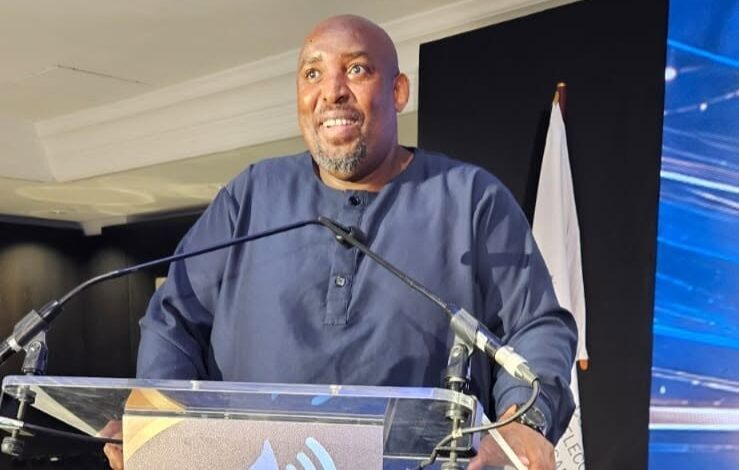
Lesotho is participating in the Commonwealth Telecommunications Organisation’s 125th Anniversary Week in London from 28 to 30 September, with a delegation focused on digital transformation, emerging technologies and the future of telecommunications. The high-level gathering provides an opportunity for Lesotho to engage with other Commonwealth stakeholders on developments shaping the digital economy. The Lesotho delegation is led by the Minister of Information, Communications, Science, Technology and Innovation, Honourable Nthati Moorosi. It includes senior officials from the Ministry, the Lesotho Communications Authority and Lesotho’s diplomatic mission in the United Kingdom. Lesotho’s participation places digital connectivity, artificial intelligence, innovation and technology-enabled development at the centre of its engagement during the CTO’s 125th anniversary programme.
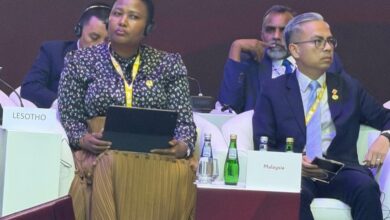
The Lesotho delegation includes MICSTI Principal Secretary Mr Kanono Ramashamole, Director General ICT Mr Thapeli Tjabane, Lesotho’s Ambassador to the United Kingdom Ambassador Mosuoe Letuma, Lesotho Communications Authority Chief Executive Officer Mr Nizam Goolam and LCA Public Affairs Manager Ms Mothepane Kotele. The composition of the delegation brings together policymakers, ICT administrators, telecommunications regulators and diplomatic representation. Their participation reflects the need for different parts of the digital ecosystem to work together as technology continues to influence government, businesses and communities. Telecommunications regulation and digital policy increasingly intersect with issues such as artificial intelligence, cybersecurity, connectivity and digital skills. Having representatives from these areas allows Lesotho to engage in discussions from both policy and implementation perspectives.
The programme taking place on 28 September focuses on the Commonwealth Digital Nexus, a high-level forum examining how emerging technologies can support digital transformation and innovation. Artificial intelligence is among the technologies receiving attention during the discussions. The forum is considering both the opportunities created by the growing use of AI and the challenges that governments and societies need to address as adoption expands. These discussions are particularly relevant to countries working to strengthen digital infrastructure while ensuring that technology benefits a broad section of the population. Mr Kanono Ramashamole was serving as Master of Ceremonies during the programme, adding to Lesotho’s active role in the proceedings.
Artificial intelligence has become an important part of discussions about digital transformation because it can affect how governments, companies and individuals use information and technology. AI systems can support activities such as data analysis, automation and digital service delivery, although their usefulness depends on appropriate infrastructure, skills, governance and access to reliable data. The adoption of AI also raises questions about privacy, security, accountability, employment and the responsible use of technology. For developing digital economies, these opportunities and challenges need to be considered together. The Commonwealth Digital Nexus provides a platform for examining practical approaches to these issues within a broader international and Commonwealth context.
For Lesotho, the discussions align with priorities contained in the country’s National Digital Transformation Strategy. The strategy prioritises connectivity, digital skills, innovation and the use of technology to improve public services and create economic opportunities. These areas are closely connected because digital transformation requires more than access to internet services or telecommunications networks. People also need the skills to use digital tools effectively, while institutions need the capacity to develop and deliver reliable digital services. Innovation can further help businesses and public institutions apply technology to local challenges and create new opportunities.
Connectivity remains a fundamental requirement for wider participation in the digital economy. Without reliable access to digital networks, individuals and businesses may struggle to benefit from online services, digital education, electronic commerce and other technology-enabled opportunities. Improving connectivity can therefore create a foundation for broader digital inclusion. At the same time, access alone does not guarantee meaningful participation because users need affordable services, appropriate devices and relevant digital skills. Lesotho’s focus on connectivity alongside digital skills reflects the need to address these different dimensions of digital transformation.
Digital skills are also becoming increasingly important as technology changes the way people work, learn and access services. Basic digital literacy can help individuals use online platforms and government services, while more advanced technical skills can support employment and innovation in the ICT sector. Artificial intelligence and other emerging technologies create additional demand for people who understand how to use, manage and evaluate digital systems. Building these skills can help Lesotho prepare its workforce for changes associated with the digital economy. It can also help businesses and public institutions make more effective use of technology.
The use of technology to improve public services is another key element of Lesotho’s digital transformation agenda. Digital government services can make it easier for citizens and businesses to interact with public institutions when systems are designed to be accessible and reliable. Technology can also support more efficient handling of information and administrative processes. However, effective digital public services require investment in infrastructure, cybersecurity, data management and institutional capacity. The discussions around digital transformation therefore extend beyond technology itself to include the systems and skills required to use it responsibly.
Lesotho’s participation in the CTO 125th Anniversary Week also builds on the country’s engagement with the Commonwealth Telecommunications Organisation earlier in the year. Lesotho hosted the CTO Council Meeting and Digital Roadshow, creating an opportunity for discussions and activities related to telecommunications and digital development within the country. The current participation in London continues that engagement and provides another platform for Lesotho to contribute to Commonwealth discussions on technology. Continued engagement can help countries share experiences and examine approaches to common digital challenges. It also provides opportunities for government and ICT sector representatives to remain connected to wider developments in telecommunications and digital policy.
The CTO’s 125th anniversary is significant because it marks 125 years of Commonwealth cooperation in the telecommunications and digital sector. Over that period, communication technologies have changed substantially, moving from traditional telecommunications systems to today’s highly connected digital environment. The anniversary programme provides an opportunity to reflect on this long history while considering the technologies and policies that will shape the next stage of digital development. For Lesotho, participation comes at a time when the country is working to strengthen its digital infrastructure and expand the use of technology. The anniversary therefore provides a relevant setting for continued engagement on the future of digital cooperation.
The programme continues on 29 and 30 September with the Ministerial Alliance for Digital Nations. This part of the programme brings ministers and other senior representatives into discussions focused on digital development and cooperation. Ministerial engagement can help connect technical discussions with national policy priorities and government decision-making. For Lesotho, the presence of Minister Nthati Moorosi provides an opportunity to represent the country’s digital transformation priorities at a high-level Commonwealth gathering. The discussions also provide a setting for countries to consider how cooperation can support more inclusive, resilient and future-ready digital ecosystems.
Building an inclusive digital ecosystem requires attention to who can access and benefit from technology. Digital transformation should reach communities, businesses and public institutions rather than being concentrated among people who already have strong access to digital resources. This makes affordability, connectivity, digital literacy and accessible services important considerations in national digital planning. Resilience is also important because digital systems need to withstand disruptions and protect critical information and services. As technology becomes more integrated into daily life and government operations, countries need to consider both the benefits of digitalisation and the risks that can accompany increased dependence on digital systems.
The growing adoption of artificial intelligence adds another layer to this conversation. Governments need to consider how AI can support development while establishing appropriate approaches to responsible use. Businesses may use AI to improve productivity, analyse information and develop new services, while public institutions may explore applications that improve administrative processes and service delivery. At the same time, AI can create challenges related to data protection, security, transparency and skills. Discussions at the Commonwealth Digital Nexus can help place these issues within a wider conversation about how countries can prepare for technological change while supporting inclusive development.
Lesotho’s presence at the CTO 125th Anniversary Week therefore connects the country’s national digital priorities with broader Commonwealth discussions about the future of technology. The participation of senior government officials, ICT leaders and diplomatic representatives demonstrates the cross-sector nature of digital transformation. Connectivity, digital skills, innovation and digital public services require coordination across government, regulators, businesses and other stakeholders. Engagement with international and Commonwealth partners can also provide opportunities for knowledge exchange as Lesotho continues developing its digital ecosystem. The discussions in London are taking place at a time when emerging technologies are changing rapidly, making continued policy dialogue increasingly relevant.
Lesotho’s participation in the Commonwealth Telecommunications Organisation’s 125th Anniversary Week highlights the country’s continued engagement with regional and international conversations on digital transformation. The focus on the Commonwealth Digital Nexus, artificial intelligence and inclusive digital ecosystems is closely connected to Lesotho’s National Digital Transformation Strategy and its priorities for connectivity, digital skills, innovation and improved public services. The delegation led by Minister Nthati Moorosi brings together key representatives responsible for technology policy, ICT administration, telecommunications regulation and diplomacy. The programme also builds on Lesotho’s earlier engagement with the CTO through the hosting of the Council Meeting and Digital Roadshow. As the CTO@125 programme continues through 29 and 30 September with the Ministerial Alliance for Digital Nations, Lesotho remains engaged in discussions about how digital cooperation and emerging technologies can support a more connected, skilled and innovative future.
Join 'Lesotho News' WhatsApp Channel
Get breaking Lesotho news — delivered directly to your WhatsApp.
CLICK HERE TO JOIN