Lesotho Advances Climate-Resilient Water Investment Planning Through National Workshop

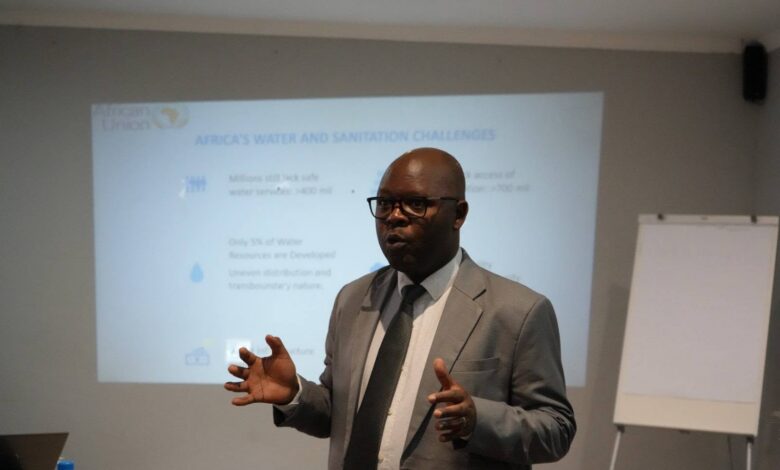
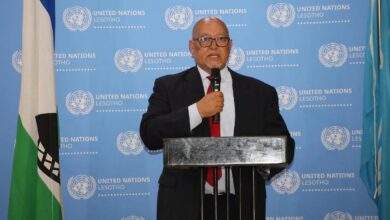
A five-day National Climate-Resilient Water Investment Planning Workshop is underway in Maseru, bringing together efforts to strengthen Lesotho’s ability to manage growing water challenges. The workshop is hosted by the Ministry of Natural Resources through Lesotho, with technical support from the African Union Commission. Its focus is on developing a practical national investment plan that responds to the country’s water needs and the increasing effects of climate change. Droughts and floods are placing greater pressure on water resources, affecting households, agriculture and other activities that depend on reliable access to water. The workshop therefore represents an important step toward turning climate and water planning into practical investments that can improve water security across Lesotho.
Water plays a central role in the daily lives and economic activities of communities across Lesotho. Households need dependable water supplies for drinking, cooking, cleaning and sanitation, while farmers depend on water to grow crops and maintain agricultural production. When drought conditions reduce available water, communities and farmers can face difficult choices about how limited supplies should be used. Flooding creates a different set of challenges by damaging infrastructure, affecting agricultural land and disrupting access to essential services. These pressures show why climate-resilient water management needs to consider both water shortages and the damage caused by excessive rainfall.
The National Climate-Resilient Water Investment Planning Workshop is designed to address these challenges through a stronger focus on investment. Rather than treating water planning as a purely technical exercise, the workshop aims to identify projects that can be developed, financed and implemented. A national investment plan can help organise priorities and provide a clearer picture of where resources are needed most. It can also help identify water projects with the potential to attract funding from relevant development and investment partners. This approach can connect national water priorities with practical projects that deliver measurable benefits to communities and the wider economy.
One important area of focus is investment in clean and reliable water supplies. Access to safe water remains closely connected to public health, household wellbeing and community development. Strengthening water infrastructure can help communities manage periods when water availability becomes less reliable because of changing weather patterns. Investment decisions can also consider the resilience of existing systems so that water infrastructure can continue operating under difficult climate conditions. By placing water security at the centre of investment planning, Lesotho can work toward systems that are better prepared for both current pressures and future climate risks.
Agriculture is another major area where climate-resilient water investment can have practical benefits. Farmers need dependable water supplies to maintain production, particularly when rainfall becomes unpredictable or drought conditions occur. Investment in irrigation can provide farmers with greater control over water availability and reduce their dependence on rainfall alone. Well-planned irrigation projects can also support more reliable agricultural production when climate conditions create difficult growing seasons. Identifying suitable irrigation investments through a national planning process can help direct limited resources toward projects that address clearly defined water and agricultural needs.
Flood protection also forms an important part of building climate resilience. Heavy rainfall and flooding can damage water infrastructure, roads, farmland and other assets, creating costs for communities and public institutions. Protecting vulnerable infrastructure can reduce the disruption caused by extreme weather and help maintain essential water services. Climate-resilient planning requires attention to where infrastructure is located, how it is designed and how it can withstand changing environmental conditions. Including flood protection within the national investment plan can therefore help ensure that water security covers both access to water and protection from water-related hazards.
The workshop also highlights the importance of converting national priorities into projects that can attract funding. A project may respond to an important water challenge, but it still needs clear objectives, realistic investment requirements and a practical implementation approach to secure financial support. A national investment plan can provide a framework for identifying these priorities and presenting them in a structured way. This can make it easier to connect priority water projects with potential sources of financing. The process can also help strengthen coordination between government institutions and technical and development partners involved in water and climate resilience.
Technical support from the African Union Commission adds a regional dimension to the planning process. Water and climate challenges do not exist in isolation, and countries across Africa face many of the same pressures linked to drought, flooding and changing rainfall patterns. Technical cooperation can help strengthen planning approaches and support the development of investment priorities that respond to national circumstances. For Lesotho, the workshop provides an opportunity to focus technical expertise on practical national needs. The emphasis remains on developing an investment plan that can support concrete action within the country.
The success of climate-resilient water investment will depend on what happens after the workshop. Identifying priority projects is an important step, but those projects must then move through development, financing and implementation. Clear priorities can help decision-makers understand where investment is needed and why those investments matter. Strong planning can also reduce the risk of disconnected projects that do not form part of a broader national approach to water security. Turning the workshop outcomes into funded and implemented projects will be essential if the planning process is to produce lasting benefits.
For communities, the value of climate-resilient water investment will ultimately be measured through practical improvements in daily life. More reliable water supplies can support households, while better irrigation systems can strengthen agricultural activity and help farmers manage periods of limited rainfall. Improved protection against floods can reduce damage to infrastructure and productive land. These investments can also strengthen the ability of communities and institutions to prepare for future climate pressures. By linking water security with climate resilience, Lesotho can build a more coordinated approach to managing one of its most important natural resources.
The five-day workshop in Maseru is therefore focused on more than producing another planning document. Its central purpose is to develop a practical national investment plan and identify priority water projects that can attract the funding needed for implementation. The focus on clean water, irrigation and protection against climate impacts reflects the broad range of pressures facing Lesotho’s water resources. Droughts and floods are already creating challenges for households, agriculture and infrastructure, making effective investment planning increasingly important. Turning national plans into practical investments can help Lesotho move toward a more water-secure and climate-resilient future.
Join 'Lesotho News' WhatsApp Channel
Get breaking Lesotho news — delivered directly to your WhatsApp.
CLICK HERE TO JOIN