WHO Representative Dr. Innocent Nuwagira Joins Swedish Ambassador’s Mission to Strengthen Health Partnerships in Lesotho

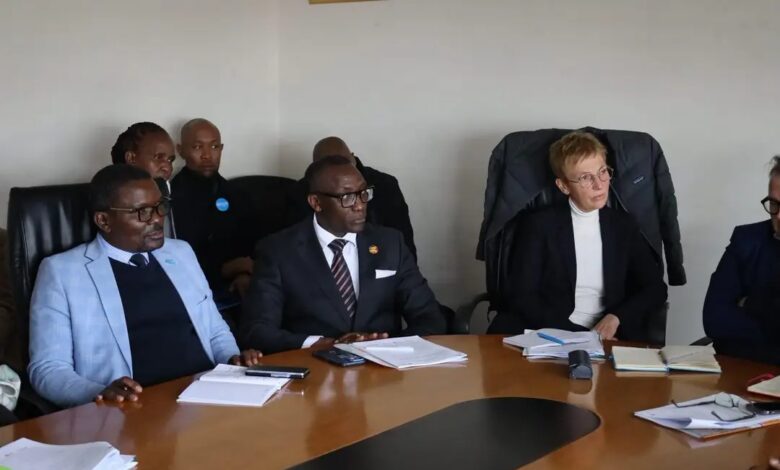
Yesterday marked another important step in strengthening international cooperation for health development in Lesotho as the World Health Organization (WHO) Representative to the Kingdom of Lesotho, Dr. Innocent Nuwagira, joined the Ambassador of Sweden to South Africa, Lesotho, and Botswana, H.E. Anna-Karin Eneström, during her official mission to the country. The visit brought together representatives from several United Nations agencies, including UNFPA and UNICEF, highlighting the collective commitment of development partners to improving health outcomes and advancing social well-being across Lesotho. The mission focused on reviewing progress made through strategic partnerships and identifying opportunities to further strengthen the country’s health systems. It also demonstrated the value of international collaboration in addressing some of Lesotho’s most pressing health challenges. Through continued cooperation, stakeholders are working to ensure that quality healthcare services become more accessible and effective for all communities.
One of the key engagements during the visit took place at the Lesotho Ministry of Health, where the delegation received detailed presentations on the impact of Sweden’s investment in the country through the #2gether4SRHR Programme. This joint United Nations initiative focuses on advancing sexual and reproductive health and rights while supporting broader health sector development goals. Officials highlighted significant achievements that have been realized through the programme, particularly in strengthening integrated health information systems and promoting evidence-based planning. Improved data collection and analysis have enabled policymakers and healthcare providers to make more informed decisions that better respond to the needs of the population. These developments are helping to create a more efficient and responsive healthcare system capable of delivering improved services across the country.
The presentations also showcased progress in expanding access to quality healthcare services for women, adolescents, and young people. Access to sexual and reproductive health services remains a critical component of public health and contributes directly to better maternal and child health outcomes. Through the support provided under the programme, healthcare facilities have been able to improve service delivery while increasing awareness of important health issues among vulnerable populations. Efforts to strengthen health systems have also focused on ensuring that individuals can access essential information and services regardless of their location or socioeconomic background. These improvements reflect a broader commitment to promoting health equity and ensuring that no one is excluded from receiving quality care.
Earlier in the day, Ambassador Eneström met with the United Nations Country Team in Lesotho, led by Resident Coordinator Mme Taija Kontinen-Sharp. The meeting provided an opportunity for discussions on a wide range of health and development priorities affecting the country. Among the key topics discussed were maternal health, adolescent health, gender-based violence, HIV integration, and strategies for strengthening healthcare systems. These issues remain central to Lesotho’s development agenda, as they directly influence the well-being of individuals, families, and communities. By bringing together representatives from different organizations and sectors, the discussions helped reinforce a coordinated approach to addressing complex health challenges.
Maternal and adolescent health continue to be critical areas of focus for both the Government of Lesotho and its international partners. Investments in these areas can have long-lasting benefits, including reduced mortality rates, healthier families, and stronger communities. Programmes that support adolescents with health education and access to services are particularly important in helping young people make informed decisions about their well-being. At the same time, improving maternal healthcare services contributes to safer pregnancies and healthier outcomes for mothers and newborns. The discussions during the mission highlighted the need for continued investment and innovation to sustain progress in these vital areas.
Gender-based violence was another important issue addressed during the engagement. Violence against women and girls remains a significant challenge in many parts of the world and can have severe consequences for physical, emotional, and mental health. Strengthening health systems to better identify, prevent, and respond to cases of gender-based violence is an essential component of comprehensive healthcare. Development partners and government institutions continue to work together to improve support services and create safer environments for vulnerable populations. Addressing gender-based violence also contributes to broader efforts aimed at promoting gender equality and protecting human rights.
The integration of HIV services within broader healthcare systems was also discussed as part of ongoing efforts to improve healthcare delivery. Lesotho has made significant progress in addressing HIV, but continued attention is required to maintain and build upon these achievements. Integrated health services can improve efficiency, reduce duplication, and ensure that patients receive comprehensive care in a coordinated manner. This approach helps healthcare providers address multiple health needs while improving patient experiences and outcomes. Strengthening HIV integration remains an important strategy in supporting the long-term sustainability of healthcare services.
The visit further emphasized the importance of strong partnerships between governments, United Nations agencies, donor countries, and development organizations. Sweden’s support through the #2gether4SRHR Programme demonstrates how international investments can contribute to meaningful improvements in health systems and service delivery. Collaborative efforts allow partners to pool resources, share expertise, and develop innovative solutions to common challenges. Such partnerships play a critical role in accelerating progress toward national and global health goals. Continued cooperation will be essential as Lesotho works to strengthen its healthcare infrastructure and improve health outcomes for its population.
The official mission by Ambassador Anna-Karin Eneström, accompanied by Dr. Innocent Nuwagira and colleagues from UNFPA and UNICEF, highlighted the positive impact of international cooperation on health development in Lesotho. Discussions at the Ministry of Health and with the United Nations Country Team showcased important progress in sexual and reproductive health, health information systems, maternal health, HIV integration, and the fight against gender-based violence. The visit also reinforced the shared commitment of all partners to building stronger and more resilient health systems that serve the needs of every citizen. As Lesotho continues its journey toward improved healthcare and greater equity, partnerships such as these will remain essential in driving sustainable progress. WHO’s commitment to working alongside the United Nations, funding partners, government institutions, and communities reflects a collective determination to build a healthier future while ensuring that no one is left behind.
Join 'Lesotho News' WhatsApp Channel
Get breaking Lesotho news — delivered directly to your WhatsApp.
CLICK HERE TO JOIN