UNDP Technical Workshop Strengthens Biodiversity Finance Planning in Lesotho Through BIOFIN Initiative


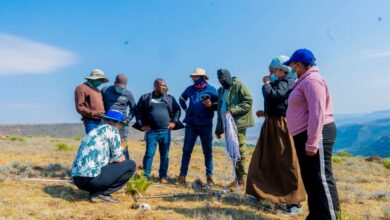
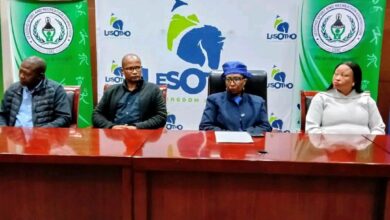
Lesotho is advancing its environmental and financial governance through a technical workshop hosted by the United Nations Development Programme under the Biodiversity Finance Initiative, also known as BIOFIN. The workshop brings together officers from the Ministry of Environment and Forestry and the Ministry of Finance and Development Planning to strengthen national capacity in biodiversity financing. The focus is on improving how public and private spending supports the protection and sustainable use of natural ecosystems. This effort reflects a growing recognition that biodiversity is central to economic stability, food security and climate resilience. By strengthening financial systems linked to conservation, Lesotho aims to build a more sustainable development pathway.
A key focus of the workshop is the Biodiversity Expenditure Review, commonly referred to as BER, which is a core component of the BIOFIN methodology. The BER process systematically analyses how much money is being spent on biodiversity-related activities across different sectors of government and the private sector. It identifies both direct and indirect expenditures that contribute to ecosystem management, conservation and sustainable resource use. Officers are trained to apply structured tools that allow them to tag and classify these expenditures accurately. This creates a clearer picture of how financial resources flow into biodiversity-related programmes and where gaps may exist. The information generated is essential for improving transparency and accountability in environmental financing.
Participants are also being equipped with practical skills to strengthen the quality and reliability of their analysis. This includes learning how to distinguish between direct biodiversity spending, such as funding for protected areas, and indirect spending, such as infrastructure projects that have environmental components. Officers are also working on methods to assess how current spending aligns with the National Biodiversity Strategy and Action Plan. This alignment is critical for ensuring that financial resources support national conservation priorities and long-term sustainability goals. The training also focuses on using BIOFIN tools that standardise data collection and improve consistency across institutions. These skills help ensure that biodiversity finance decisions are based on accurate and comparable data.
The workshop also emphasizes the importance of generating evidence-based recommendations that can support the development of a comprehensive Biodiversity Finance Plan for Lesotho. This plan is intended to identify funding gaps, mobilise additional resources and improve the efficiency of existing expenditures. By analysing current spending patterns, policymakers can better understand where investments are effective and where adjustments are needed. The BIOFIN approach encourages a strategic view of finance that goes beyond traditional budgeting methods. It links financial planning directly to environmental outcomes and national development priorities. This integrated approach helps ensure that biodiversity conservation is not treated as a separate issue but as a core part of economic planning.
Collaboration between the Ministry of Environment and Forestry and the Ministry of Finance and Development Planning is central to the success of this process. Bringing together environmental and financial expertise allows for a more comprehensive understanding of how biodiversity is funded and managed. It also strengthens coordination between sectors that are often managed separately. Through this workshop, officers are building stronger institutional linkages that will support long-term policy implementation. This cooperation is essential for ensuring that biodiversity financing becomes a sustained and structured part of government planning.
The BIOFIN initiative in Lesotho represents a significant step toward improving how the country values and finances its natural resources. By strengthening the capacity of government officers to conduct detailed expenditure reviews, the country is laying the groundwork for more effective conservation funding. The skills and tools being developed through the workshop will support better decision-making and more efficient use of limited financial resources. This will ultimately contribute to healthier ecosystems, stronger livelihoods and improved resilience against environmental challenges. With continued investment in biodiversity finance systems, Lesotho is positioning itself to better protect its natural heritage while supporting sustainable development goals.
Join 'Lesotho News' WhatsApp Channel
Get breaking Lesotho news — delivered directly to your WhatsApp.
CLICK HERE TO JOIN