The Ministry of Education and Training Marks Africa Day of School Feeding at ‘Maneo Primary School in Mohale’s Hoek

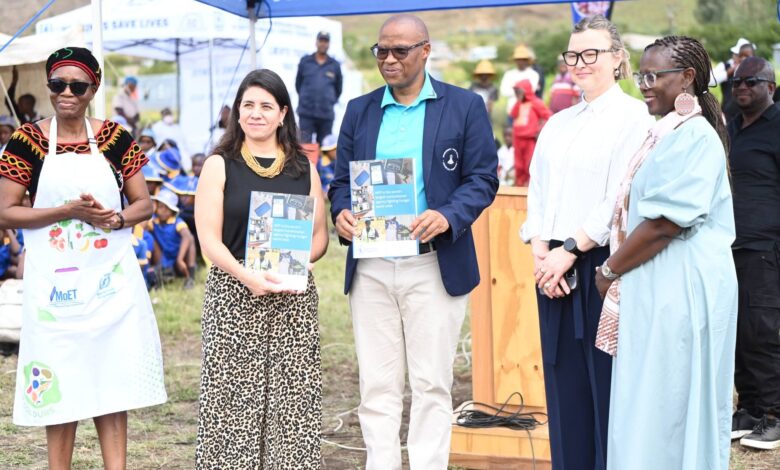
The Ministry of Education and Training celebrated Africa Day of School Feeding at ‘Maneo Primary School in Mohale’s Hoek District on Thursday 12 March 2026, bringing together government officials, educators, learners, and community members to highlight the importance of school nutrition programmes across the continent. The event formed part of a broader African initiative that recognizes the role of school feeding in supporting education, improving health, and strengthening communities. Africa Day of School Feeding is observed by several countries to promote sustainable school feeding systems that ensure children receive the nutrition they need to learn and grow. At the heart of this year’s celebration was a renewed focus on creating safe, healthy school environments that support both academic success and physical well being. The gathering at ‘Maneo Primary School served as an opportunity to reflect on the progress made and to reinforce commitments toward improving school feeding programmes across the country.
This year’s theme, “Ensuring Access to Nutritious Meals, Safe Water and Hygiene: Promoting Safety and Resilience in Every School Feeding Investment,” placed strong emphasis on the connection between nutrition, sanitation, and educational outcomes. Government representatives explained that school feeding programmes do far more than simply provide meals, as they also help reduce hunger, encourage school attendance, and improve concentration in the classroom. Many children rely on school meals as a key source of daily nutrition, especially in communities where households face economic challenges. By ensuring that schools provide balanced meals alongside access to safe drinking water and proper hygiene facilities, education systems can better protect the health of learners. Officials stressed that safe water and sanitation are essential elements of any successful school feeding programme because they help prevent illness and ensure that meals are prepared and consumed in clean environments.
During the event at ‘Maneo Primary School, education officials, school staff, and community partners highlighted the impact that the national school feeding programme has had on learners in Mohale’s Hoek District. Teachers reported that access to regular nutritious meals has improved learner attendance and classroom participation. When students receive meals at school, families often feel more confident sending their children to class each day, particularly in rural communities where food insecurity can affect educational continuity. School leaders also noted that feeding programmes help create a supportive school environment that encourages students to stay focused on learning rather than worrying about hunger. The celebration included demonstrations of meal preparation, discussions on food safety, and conversations about how local communities can support sustainable food sourcing for schools.
Community participation formed an important part of the Africa Day of School Feeding event, as local stakeholders continue to play a key role in the success of school nutrition initiatives. Parents, local farmers, and community volunteers often support feeding programmes by supplying ingredients, assisting with meal preparation, or contributing resources that strengthen the programme’s sustainability. Officials highlighted that connecting school feeding systems with local agricultural production can support rural economies while ensuring that learners receive fresh and nutritious food. By sourcing food locally, schools can strengthen community resilience and create a reliable supply chain that benefits both farmers and learners. This approach also promotes long term food security while encouraging collaboration between education systems and agricultural communities.
The celebration also served as a platform to highlight ongoing efforts to improve hygiene infrastructure in schools, particularly in relation to water access and sanitation facilities. Safe drinking water and proper hand washing facilities are essential for maintaining the health of learners and ensuring that school meals are consumed in safe conditions. Education authorities emphasized that investments in hygiene infrastructure help reduce the spread of illness, protect learners, and support consistent school attendance. Schools that maintain strong hygiene practices also provide a healthier learning environment that benefits both students and educators. By combining nutrition, water safety, and hygiene education, school feeding programmes become a comprehensive strategy that addresses several barriers to effective learning.
The Africa Day of School Feeding celebration at ‘Maneo Primary School in Mohale’s Hoek District highlighted the continued commitment of the Ministry of Education and Training to support learners through strong and sustainable school nutrition programmes. Events such as this remind communities and policymakers that feeding programmes remain a powerful tool for improving educational outcomes and protecting child health. By investing in nutritious meals, safe water, and proper hygiene facilities, governments and communities create environments where children can thrive academically and physically. The message of this year’s theme reinforced the need for long term investment in school feeding systems that prioritize safety, resilience, and accessibility. As countries across Africa continue to strengthen these programmes, school feeding will remain a critical pillar in the effort to ensure that every child has the opportunity to learn, grow, and succeed.
Join 'Lesotho News' WhatsApp Channel
Get breaking Lesotho news — delivered directly to your WhatsApp.
CLICK HERE TO JOIN