Inside the NUL–Energy Research Centre: Building the Financial Backbone of Lesotho’s Energy Future


Inside the NUL–Energy Research Centre, much of the work that shapes national energy projects takes place long before any equipment reaches a site. Researchers and consultants focus on the groundwork that determines whether projects succeed or stall. This early stage involves technical assessments, financial modelling and system planning that guide national decision making. Without this foundation, even well designed energy projects can struggle to secure funding or meet regulatory requirements. By investing time in research and preparation, institutions improve the chances that projects move from concept to reality.
Recently, the Energy Research Centre delivered a solicited Project Finance training for the Lesotho Highlands Development Authority, building on earlier consultancy work conducted for the authority. That earlier assignment focused on a pre feasibility study for floating solar photovoltaic installations on dams managed by LHDA. The study assessed the technical potential of installing floating solar panels, evaluated the value such systems could unlock and examined the implications for grid integration. Floating solar presents an opportunity to generate clean energy without competing for scarce land resources, which is critical in a country with growing electricity demand. By grounding decisions in data, the consultancy helped LHDA understand both the opportunities and the constraints tied to this emerging technology.
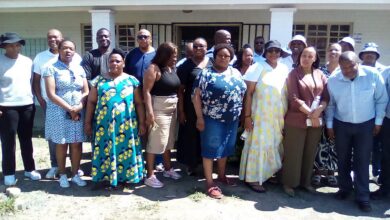
The Project Finance training, held from 19 to 23 January 2026, shifted attention to one of the most decisive stages of any energy project: financing. Participants examined where funding typically comes from, how projects are structured and how risks are allocated among stakeholders. The training addressed why many technically sound projects fail to reach construction, often due to weak financial structuring or unrealistic revenue assumptions. Case examples demonstrated how lenders assess risk, how power purchase agreements influence bankability and how policy certainty affects investor confidence. These insights equip institutions with practical tools to move projects beyond feasibility studies and into implementable investment plans.
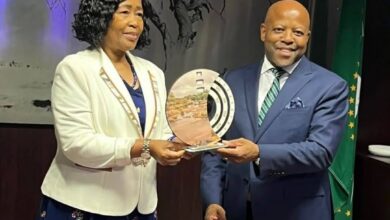
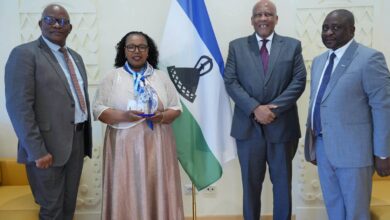
Support from European Union Lesotho is now helping LHDA mobilize financing for a full feasibility study on floating solar. This external backing increases credibility and expands access to potential funding partners. However, funding alone does not guarantee success. Institutions must make informed financial decisions that align with long term system needs, tariff realities and national development goals. By strengthening internal capacity through targeted training, LHDA reduces reliance on external advisers and improves its ability to negotiate effectively with financiers and developers.
The process continues with a follow up solicited training on grid integration scheduled for February. This next phase will focus on how renewable energy projects connect to the national grid and what that means for system stability, dispatch and operations. Grid integration remains one of the most critical issues in scaling renewable energy, especially in smaller power systems where variability can affect reliability. By addressing technical and financial readiness step by step, the NUL–Energy Research Centre supports a structured path toward credible project delivery. This approach shows that early engagement with research, finance and system planning is essential if Lesotho is to deliver sustainable, bankable and resilient energy projects.
Join 'Lesotho News' WhatsApp Channel
Get breaking Lesotho news — delivered directly to your WhatsApp.
CLICK HERE TO JOIN