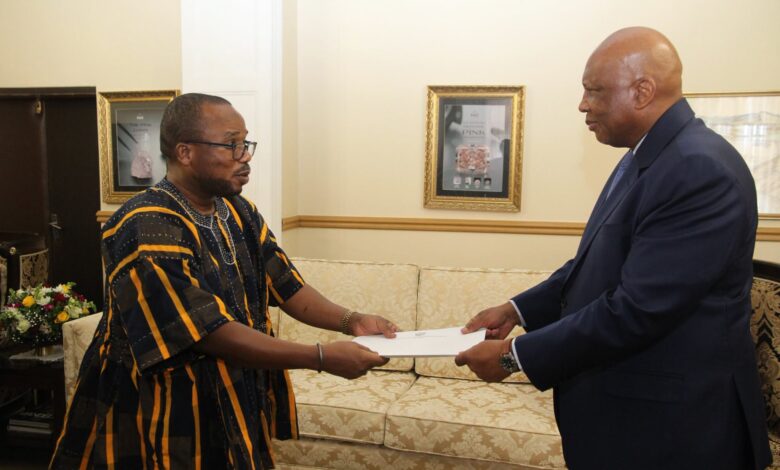
The longstanding relationship between Lesotho and Ghana has received renewed diplomatic attention following the accreditation of His Excellency Benjamin Anani Quashie as Ghana’s new High Commissioner to the Kingdom of Lesotho. H.E. Quashie presented his Letters of Credence to His Majesty King Letsie III at the Royal Palace, formally confirming his appointment as Ghana’s representative to the Mountain Kingdom. His arrival comes as the two countries continue to maintain friendly relations founded on shared African history, cultural values and a common commitment to continental development. Although Lesotho and Ghana are separated by considerable geographical distance, their diplomatic ties have remained grounded in mutual respect and cooperation. The accreditation of the new High Commissioner provides an opportunity to strengthen this relationship while exploring practical areas of cooperation that can benefit both countries.
H.E. Benjamin Anani Quashie succeeds H.E. George Ayisi-Boateng, whose tour of duty has ended. The new High Commissioner will serve as a non-resident representative to Lesotho, with his diplomatic responsibilities being managed from Pretoria, South Africa. Non-resident representation allows countries to maintain diplomatic relations while coordinating engagement through a regional mission. It also places importance on regular communication, official visits and cooperation between government institutions in the countries concerned. H.E. Quashie’s appointment therefore provides a new opportunity to maintain high-level engagement between Accra and Maseru while building on the work undertaken during the previous ambassadorial tenure.
Diplomatic relations between Lesotho and Ghana date back to 1971, creating a relationship that has now lasted for more than five decades. The partnership has developed within the broader context of Africa’s post-independence political and economic transformation. Both countries have a shared interest in strengthening African institutions and advancing cooperation between African states. Their relationship also benefits from common membership in organisations such as the African Union, the United Nations and the Commonwealth. These platforms provide opportunities for Lesotho and Ghana to coordinate positions on issues including peace and security, sustainable development, governance and African integration.
The presentation of Letters of Credence at the Royal Palace carries significance beyond the formalities of diplomatic protocol. It establishes the new High Commissioner’s official role and creates a foundation for future engagement with Lesotho’s government and institutions. Such ceremonies also reaffirm the commitment of both countries to maintaining diplomatic channels and strengthening bilateral relations. The subsequent meetings held by H.E. Quashie with senior Lesotho officials further demonstrated the importance attached to the relationship. Together, these engagements provide an opportunity to identify areas where existing cooperation can be expanded and translated into practical programmes.
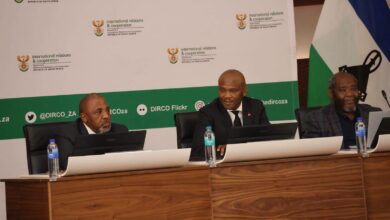
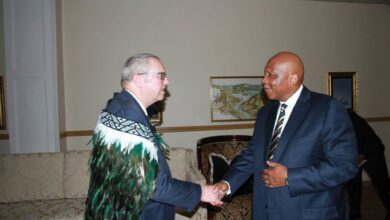
Following the Credentials ceremony, H.E. Quashie paid courtesy calls on the Acting Minister of Foreign Affairs and International Relations, Honourable Lejone Mpotjoane, and the Right Honourable Prime Minister. These meetings allowed the new High Commissioner to engage directly with key members of the Lesotho government as he begins his assignment. High-level discussions are important for establishing shared priorities and strengthening communication between the two countries. They can also help identify opportunities for cooperation in sectors that contribute directly to economic and social development. The engagements demonstrate that both sides are interested in maintaining momentum in their bilateral relationship.
There is considerable potential for Lesotho and Ghana to deepen economic cooperation in several sectors. Agriculture is one area where both countries can share knowledge and explore opportunities involving production, value addition and agricultural markets. Tourism also presents potential for collaboration, particularly through the exchange of expertise and the promotion of destinations across both countries. Clean energy, mining, trade and technology provide additional areas where partnerships could contribute to economic growth and diversification. Developing stronger commercial connections in these sectors could help move the bilateral relationship beyond diplomatic engagement and create opportunities for businesses and investors.
Ghana’s role as host of the African Continental Free Trade Area Secretariat adds another important dimension to the relationship. The AfCFTA is designed to increase trade among African countries and create a larger integrated continental market. Its Secretariat in Ghana provides an important institutional link for countries such as Lesotho that are seeking to expand their participation in intra-African trade. Stronger engagement between Lesotho and Ghana could therefore support discussions around market access, trade facilitation and opportunities for businesses to reach consumers in other African countries. Cooperation in this area could contribute to Lesotho’s broader economic ambitions while strengthening the practical value of its relationship with Ghana.
Technology also offers opportunities for deeper bilateral cooperation as both countries respond to changing economic and social needs. Digital technologies can support businesses, education, public services, financial inclusion and access to information. Ghana’s experience in developing aspects of its digital economy could provide useful opportunities for knowledge sharing with Lesotho. At the same time, Lesotho can identify areas where technology partnerships could help address domestic development challenges and support young entrepreneurs. Greater cooperation between institutions, businesses and technology professionals could help create practical partnerships that complement traditional diplomatic relations.
The shared commitment to African integration remains another important foundation for the relationship. Lesotho and Ghana have an interest in strengthening continental cooperation and supporting initiatives that promote peace, stability and sustainable development. Their participation in African and international organisations creates opportunities to work together on issues that affect the wider continent. Cooperation through these institutions can also help both countries contribute to discussions about Africa’s economic transformation and the strengthening of regional and continental institutions. A stronger bilateral relationship can therefore complement their shared responsibilities within the broader African diplomatic community.
The Ministry of Foreign Affairs and International Relations has warmly welcomed H.E. Benjamin Anani Quashie to Lesotho and expressed its readiness to work with him to further strengthen the friendship and cooperation between the two countries. His appointment comes at a time when African countries are increasingly focused on expanding intra-African trade, developing sustainable economies and strengthening partnerships based on shared interests. The historical ties between Lesotho and Ghana provide a strong foundation for pursuing these goals together. With focused diplomatic engagement, the two countries can explore new opportunities in agriculture, tourism, energy, mining, technology and trade while continuing to cooperate through continental and international institutions. H.E. Quashie’s accreditation therefore marks a new chapter in a relationship that has endured since 1971 and creates an opportunity to build a stronger partnership around a shared commitment to Africa’s future.
Join 'Lesotho News' WhatsApp Channel
Get breaking Lesotho news — delivered directly to your WhatsApp.
CLICK HERE TO JOIN