Lesotho Strengthens Cultural Heritage Preservation Through National Training Initiative

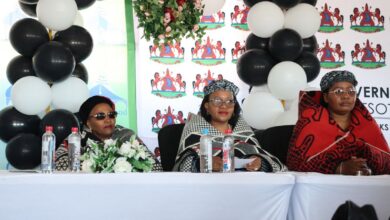
The Kingdom of Lesotho has taken a decisive step toward preserving its cultural identity through a focused training workshop on intangible cultural heritage nominations. Organized by the Ministry of Tourism, Sports, Arts, and Culture, the initiative signals a clear commitment to protecting traditions that define the nation’s social fabric. The program opened with strong remarks from Deputy Principal Secretary Mr. Hlalele Hlalele, who stressed the urgency of safeguarding living heritage in a rapidly changing world. His message set the tone for a workshop built on action, collaboration, and long-term cultural sustainability. This effort aligns with global trends where countries invest in preserving oral traditions, rituals, and performing arts that risk fading without structured support.
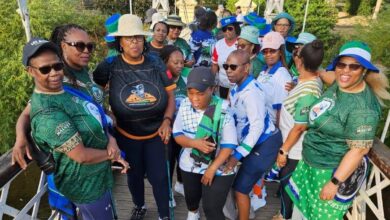
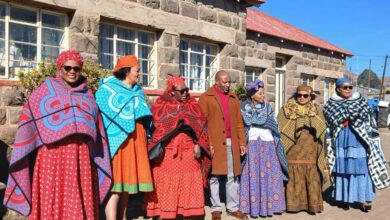
The workshop brought together a wide group of stakeholders, each playing a direct role in cultural preservation. District Cultural Officers attended alongside community representatives and organizations deeply rooted in Basotho traditions. Groups such as Libandla le Baphuthi and the Thaba-Bosiu community contributed local knowledge that often forms the backbone of intangible heritage. Institutions like the Lesotho Traditional Dance Sport Association and Mojira Museum added technical and historical perspectives that strengthen documentation efforts. Members of the National Intangible Cultural Heritage Committee ensured that discussions remained aligned with national policy and international standards, creating a balanced and practical learning environment.
Strong emphasis was placed on collaboration as a key driver of success in heritage preservation. Mrs. ’Mabafokeng Seala, Secretary General of the Lesotho National Commission for UNESCO, highlighted how coordinated efforts improve both recognition and protection of cultural assets. She pointed out that effective nominations require input from communities, experts, and government bodies working toward a shared goal. Support from UNESCO plays a central role in this process, offering frameworks that guide countries in documenting and safeguarding their traditions. Mr. Chimbidzikai Mapfumo from UNESCO’s Southern African Regional Office reinforced this point by outlining practical tools and strategies that Lesotho can adopt immediately. His contribution helped translate global standards into actionable steps suited to local realities.
International cooperation added further weight to the workshop’s objectives. His Excellency Mr. Shimizu Fumio, Ambassador of Japan to South Africa, Eswatini, and Lesotho, delivered remarks that underscored the value of global partnerships. His participation showed that cultural heritage preservation is not limited by borders but benefits from shared knowledge and support. Japan has a strong track record in safeguarding intangible heritage, and its involvement provides a model that Lesotho can learn from and adapt. This engagement also strengthens diplomatic ties while promoting cultural exchange, which can lead to future collaborations in tourism and education. The presence of international voices added credibility and broadened the scope of the discussions.
This training marks a practical shift from policy to implementation in Lesotho’s cultural sector. Participants gained skills needed to identify, document, and nominate intangible cultural heritage for recognition at both national and international levels. These steps are critical because formal recognition often leads to increased funding, awareness, and protection measures. By equipping stakeholders with the right tools, the country reduces the risk of losing valuable traditions to modernization and neglect. The workshop also created a network of professionals and community leaders who can continue working together beyond the event.
Lesotho’s approach shows a clear understanding that cultural heritage is not static but requires active management and investment. The training initiative builds a foundation for future nominations that can place the country’s traditions on global platforms. It also empowers local communities to take ownership of their cultural expressions, ensuring that preservation efforts remain authentic and inclusive. With continued collaboration, strong institutional support, and international partnerships, Lesotho is positioning itself to protect and celebrate its rich cultural identity for generations to come.
Join 'Lesotho News' WhatsApp Channel
Get breaking Lesotho news — delivered directly to your WhatsApp.
CLICK HERE TO JOIN