Lerotholi Polytechnic Drives Innovation Through University–Industry Collaboration in Lesotho

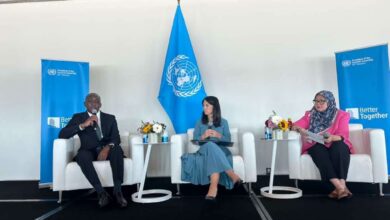
Lerotholi Polytechnic continues to position itself as a key driver of innovation and skills development in Lesotho through its recent participation in a University–Industry Networking Event. This engagement brought together critical stakeholders from academia, industry, government, and civil society, all focused on one shared goal, improving the relevance of higher education in a rapidly changing economy. The event was hosted in collaboration with the National University of Lesotho and the Ministry of Education and Training, reinforcing a unified national effort to strengthen education systems. It formed part of the UNIICO-CREATE Project, a regional initiative designed to transform higher education institutions across the SADC region into hubs of entrepreneurship and innovation. This initiative reflects a growing recognition that education systems must evolve to meet real-world demands and prepare graduates for meaningful participation in the workforce.
The UNIICO-CREATE Project plays a strategic role in reshaping how institutions approach teaching, research, and collaboration. It focuses on building stronger links between universities and industries so that academic programmes reflect current market needs. Across the SADC region, many graduates face challenges entering the workforce due to a mismatch between their qualifications and industry expectations. This project directly addresses that gap by encouraging institutions to adopt more practical, innovation-driven approaches. By participating in this initiative, Lerotholi Polytechnic demonstrates its commitment to producing graduates who are not only academically competent but also industry-ready. The project also promotes entrepreneurship, equipping students with the skills needed to create their own opportunities in a competitive economic environment.
The networking event created a practical platform for open and honest discussions among stakeholders. Participants explored the existing disconnect between education systems and the labor market, identifying key areas that require urgent attention. Industry representatives shared insights on the skills they expect from graduates, while academic institutions reflected on how curricula can be adjusted to meet those expectations. Government officials emphasized the importance of policy support in enabling these changes, ensuring that reforms are sustainable and impactful. Civil society organizations contributed perspectives on social development and inclusivity, ensuring that education reforms benefit a wider population. These discussions highlighted the importance of collaboration as a tool for solving complex challenges within the education sector.
A key outcome of the event was the emphasis on co-creation as a model for progress. Co-creation involves active participation from all stakeholders in designing curricula, shaping policies, and developing systems that respond to real needs. Lerotholi Polytechnic has embraced this approach, recognizing that no single institution can address the challenges of education and employment alone. By working closely with industry partners, the institution can ensure that its programmes remain relevant and aligned with market trends. This approach also encourages continuous feedback, allowing for regular updates to curricula based on evolving industry requirements. As a result, students benefit from an education that is both practical and forward-looking, increasing their chances of success after graduation.
The strong participation and commitment demonstrated during the event reflect a shared understanding of the importance of collaboration. Stakeholders showed a clear willingness to work together to improve graduate employability and drive innovation within Lesotho. This level of engagement is critical for achieving long-term impact, as sustainable development requires consistent effort and cooperation. Institutions like Lerotholi Polytechnic play a central role in this process by acting as bridges between education and industry. Their involvement ensures that training programmes produce graduates who can contribute effectively to economic growth. At the same time, industries benefit from access to a skilled workforce that meets their specific needs.
This initiative also aligns with broader national and regional development goals. Across the SADC region, there is a growing focus on building knowledge-based economies that rely on innovation and skilled human capital. Education institutions are expected to play a leading role in this transformation by producing graduates who can adapt to changing economic conditions. By participating in the UNIICO-CREATE Project, Lerotholi Polytechnic is contributing to this vision and positioning itself as a leader in education reform. The institution’s efforts support not only individual career development but also national progress and competitiveness. This approach ensures that education becomes a powerful tool for economic and social advancement.
The collaboration between Lerotholi Polytechnic, the National University of Lesotho, and the Ministry of Education and Training highlights the importance of partnerships in achieving meaningful change. Each institution brings unique strengths and perspectives, creating a more comprehensive approach to education reform. These partnerships also provide opportunities for resource sharing, joint research, and innovation initiatives that benefit all stakeholders. By working together, institutions can overcome limitations and achieve greater impact than they could individually. This model of collaboration sets a strong example for other institutions within the region.
Lerotholi Polytechnic’s participation in the University–Industry Networking Event marks a significant step toward building a more responsive and effective education system in Lesotho. The focus on collaboration, innovation, and practical skills development addresses critical challenges faced by graduates and employers alike. Through initiatives like the UNIICO-CREATE Project, the institution is helping to shape a future where education is closely aligned with real-world needs. This approach not only improves employability but also supports sustainable national development. As stakeholders continue to work together, the impact of these efforts will become more visible, creating opportunities for growth and progress across the country.
Join 'Lesotho News' WhatsApp Channel
Get breaking Lesotho news — delivered directly to your WhatsApp.
CLICK HERE TO JOIN