
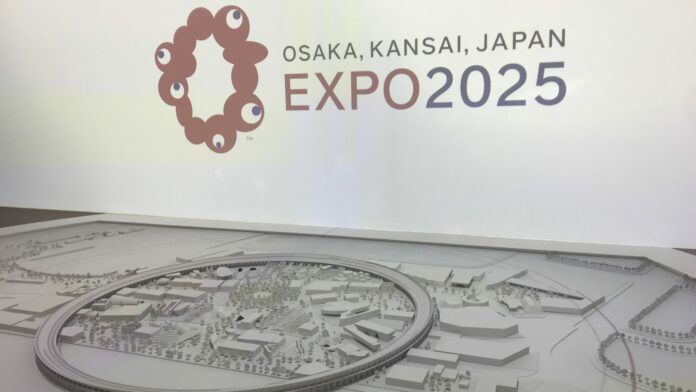
Lesotho has confirmed its participation in the highly anticipated 2025 Osaka Expo, which will take place in Japan from April 13 to October 13. The global event will bring together over 158 countries under the theme “Designing Future Society for Our Lives,” with Lesotho showcasing its potential under the sub-theme “Connecting Lives.”
During a briefing on Lesotho’s involvement in the expo, Ms. Nthabeleng Maphike, speaking on behalf of the Principal Secretary of the Ministry of Trade, Industry, and Business Development, emphasized the country’s focus on trade and investment, tourism and culture, as well as nation branding. These aspects are expected to highlight Lesotho’s economic strengths and opportunities, positioning the nation as an attractive destination for global investors and tourists.
The Lesotho Highlands Development Authority (LHDA) will also take part in the event, showcasing its infrastructure projects that align with the “Connecting Lives” sub-theme. These projects, which include major water and energy developments, demonstrate Lesotho’s commitment to sustainable growth and regional integration.
With the Osaka Expo serving as a platform for networking and collaboration, Lesotho aims to use this opportunity to engage with international stakeholders, promote its rich cultural heritage, and attract investment in key sectors. The country’s participation signals its ambition to enhance global partnerships while reinforcing its role in the international trade and development landscape.
Join 'Lesotho News' WhatsApp Channel
Get breaking Lesotho news — delivered directly to your WhatsApp.
CLICK HERE TO JOIN